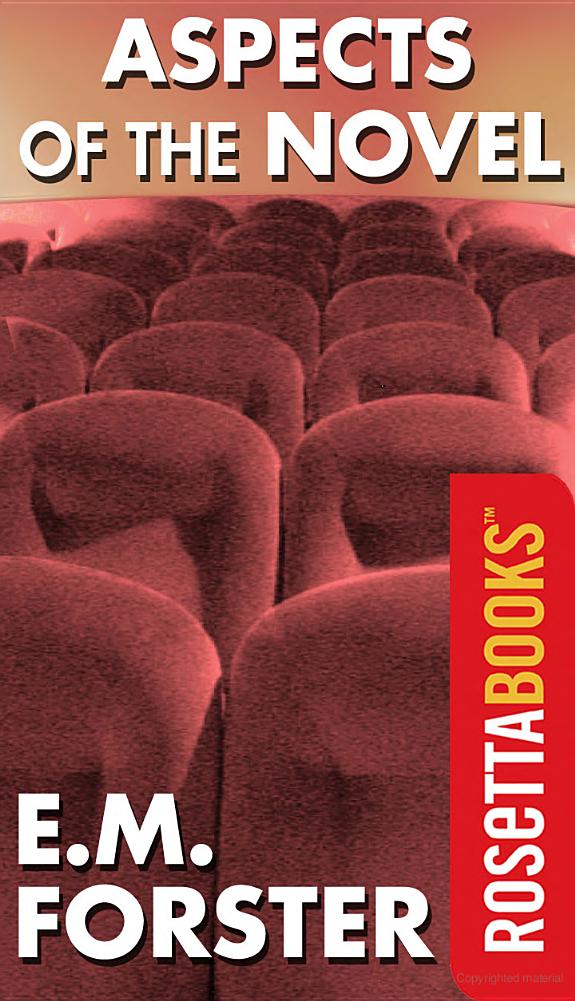
Aspects of the Novel
by E. M. Forster
192 pages· 2010· ISBN 9780795311567
About
Sponsored by Trinity College of the University of Cambridge, The Clark Lectures have a long and distinguished history and have featured remarks by some of England's most important literary minds: Leslie Stephen, T. S. Eliot, F. R. Leavis, William Epsom, and I. A. Richards. All have given celebrated and widely influential talks as featured keynote speakers. n important milestone came in 1927 when, for the first time, a novelist was invited to speak: E.M. Forster had recently published his masterpiece, A Passage to India, and rose to the occasion, delivering eight spirited and penetrating lectures on the novel. The decision to accept the lectureship was a difficult one for Forster. He had deeply ambivalent feelings about the use of criticism. Although suspecting that criticism was somewhat antithetical to creation, and upset by the thought that time spent on the lectures took away from his own work, Forster accepted. His talks were witty and informal, and consisted of sharp penetrating bursts of insight rather than overly-methodical analysis. In short, they were a great success. Gathered and published later as Aspects of the Novel, the ideas articulated in his lectures would gain widespread recognition and currency in twentieth century criticism. Of all of the insights contained within Aspects of the Novel, none has been more influential or widely discussed than Forster's discussion of "flat" and "round" characters. So familiar by now as to seem commonplace, Forster's distinction is meant to categorize the different qualities of characters in literature and examine the purposes to which they are put. Still, it would be wrong to reduce this book to its most famous line of argument and enquiry. Aspects of the Novel also discusses the difference between story and plot, the characteristics of prophetic fiction, and narrative chronology. Throughout, Forster draws on his extensive readings in English, French, and Russian literature, and discusses his ideas in reference to such figures as Joyce, Tolstoy, Dostoevsky, James, Sterne, Defoe, and Proust.
Discuss Aspects of the Novel with other readers
Join or start a book club for Aspects of the Novel on Readfeed. Live chat, shared reading progress, and AI discussion questions — free to get started.
Frequently asked questions
How do I join a book club for Aspects of the Novel?
Sign up free on Readfeed, then browse public clubs or start your own club with Aspects of the Novel as the current read. Invite friends with a share link and discuss together with live chat and AI discussion questions.
Can I discuss Aspects of the Novel with other readers online?
Yes. Readfeed book clubs let you chat live, share progress, and join discussions about Aspects of the Novel with readers worldwide — whether your club is virtual, in-person, or hybrid.
Is Readfeed free?
Yes. Creating an account and joining book clubs is free. Sign up to find readers who love the same books and start discussing today.