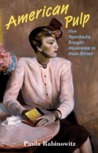
American Pulp
by Paula Rabinowitz
433 pages· 2014· ISBN 9781322116907
About
"There is real hope for a culture that makes it as easy to buy a book as it does a pack of cigarettes."--a civic leader quoted in a New American Library ad (1951)
"American Pulp" tells the story of the midcentury golden age of pulp paperbacks and how they brought modernism to Main Street, democratized literature and ideas, spurred social mobility, and helped readers fashion new identities. Drawing on extensive original research, Paula Rabinowitz unearths the far-reaching political, social, and aesthetic impact of the pulps between the late 1930s and early 1960s.
Published in vast numbers of titles, available everywhere, and sometimes selling in the millions, pulps were throwaway objects accessible to anyone with a quarter. Conventionally associated with romance, crime, and science fiction, the pulps in fact came in every genre and subject. "American Pulp" tells how these books ingeniously repackaged highbrow fiction and nonfiction for a mass audience, drawing in readers of every kind with promises of entertainment, enlightenment, and titillation. Focusing on important episodes in pulp history, Rabinowitz looks at the wide-ranging effects of free paperbacks distributed to World War II servicemen and women; how pulps prompted important censorship and First Amendment cases; how some gay women read pulp lesbian novels as how-to-dress manuals; the unlikely appearance in pulp science fiction of early representations of the Holocaust; how writers and artists appropriated pulp as a literary and visual style; and much more. Examining their often-lurid packaging as well as their content, "American Pulp" is richly illustrated with reproductions of dozens of pulp paperback covers, many in color.
A fascinating cultural history, "American Pulp" will change the way we look at these ephemeral yet enduringly intriguing books.
Some images inside the book are unavailable due to digital copyright restrictions.
"American Pulp" tells the story of the midcentury golden age of pulp paperbacks and how they brought modernism to Main Street, democratized literature and ideas, spurred social mobility, and helped readers fashion new identities. Drawing on extensive original research, Paula Rabinowitz unearths the far-reaching political, social, and aesthetic impact of the pulps between the late 1930s and early 1960s.
Published in vast numbers of titles, available everywhere, and sometimes selling in the millions, pulps were throwaway objects accessible to anyone with a quarter. Conventionally associated with romance, crime, and science fiction, the pulps in fact came in every genre and subject. "American Pulp" tells how these books ingeniously repackaged highbrow fiction and nonfiction for a mass audience, drawing in readers of every kind with promises of entertainment, enlightenment, and titillation. Focusing on important episodes in pulp history, Rabinowitz looks at the wide-ranging effects of free paperbacks distributed to World War II servicemen and women; how pulps prompted important censorship and First Amendment cases; how some gay women read pulp lesbian novels as how-to-dress manuals; the unlikely appearance in pulp science fiction of early representations of the Holocaust; how writers and artists appropriated pulp as a literary and visual style; and much more. Examining their often-lurid packaging as well as their content, "American Pulp" is richly illustrated with reproductions of dozens of pulp paperback covers, many in color.
A fascinating cultural history, "American Pulp" will change the way we look at these ephemeral yet enduringly intriguing books.
Some images inside the book are unavailable due to digital copyright restrictions.
Discuss American Pulp with other readers
Join or start a book club for American Pulp on Readfeed. Live chat, shared reading progress, and AI discussion questions — free to get started.
Frequently asked questions
How do I join a book club for American Pulp?
Sign up free on Readfeed, then browse public clubs or start your own club with American Pulp as the current read. Invite friends with a share link and discuss together with live chat and AI discussion questions.
Can I discuss American Pulp with other readers online?
Yes. Readfeed book clubs let you chat live, share progress, and join discussions about American Pulp with readers worldwide — whether your club is virtual, in-person, or hybrid.
Is Readfeed free?
Yes. Creating an account and joining book clubs is free. Sign up to find readers who love the same books and start discussing today.