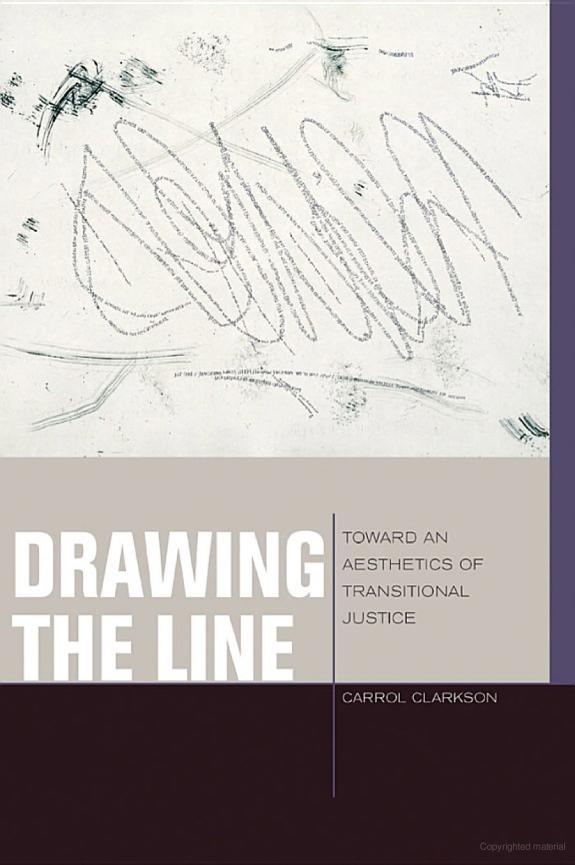
Drawing the Line
Toward an Aesthetics of Transitional Justice
by Carrol Clarkson
224 pages· 2013· ISBN 9780823254170
About
Drawing the Line examines the ways in which cultural, political, and legal lines are imagined, drawn, crossed, erased, and redrawn in post-apartheid South Africa through literary texts, artworks, and other forms of cultural production. Under the rubric of a philosophy of the limit and with reference to a range of signifying acts and events, this book asks what it takes to recalibrate a sociopolitical scene, shifting perceptions of what counts and what matters, of what can be seen and heard, of what can be valued or regarded as meaningful. The book thus argues for an aesthetics of transitional justice and makes an appeal for a postapartheid aesthetic inquiry, as opposed to simply a political or a legal one. Each chapter brings a South African artwork, text, speech, building, or social encounter into conversation with debates in critical theory and continental philosophy, asking: What challenge do these South African acts of signification and resignification pose to current literary-philosophical debates?
Discuss Drawing the Line with other readers
Join or start a book club for Drawing the Line on Readfeed. Live chat, shared reading progress, and AI discussion questions — free to get started.
Frequently asked questions
How do I join a book club for Drawing the Line?
Sign up free on Readfeed, then browse public clubs or start your own club with Drawing the Line as the current read. Invite friends with a share link and discuss together with live chat and AI discussion questions.
Can I discuss Drawing the Line with other readers online?
Yes. Readfeed book clubs let you chat live, share progress, and join discussions about Drawing the Line with readers worldwide — whether your club is virtual, in-person, or hybrid.
Is Readfeed free?
Yes. Creating an account and joining book clubs is free. Sign up to find readers who love the same books and start discussing today.