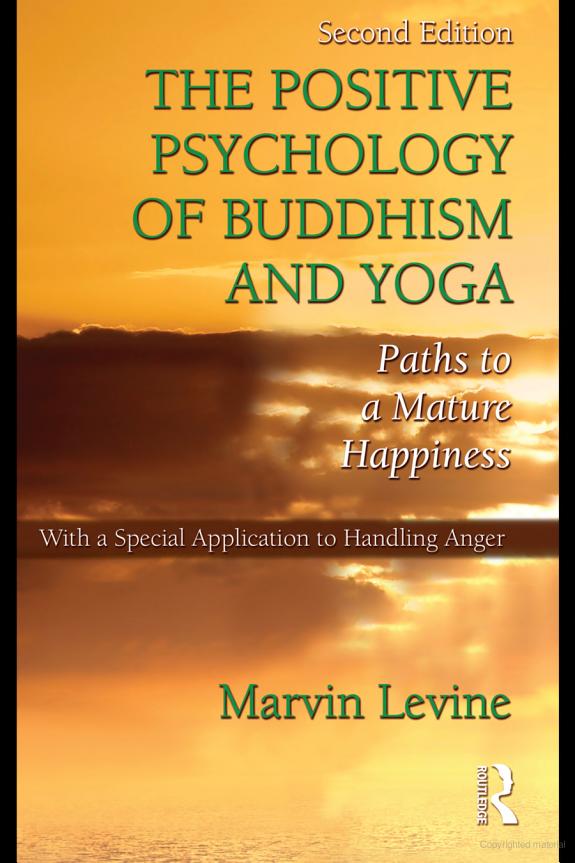
The Positive Psychology of Buddhism and Yoga

The Positive Psychology of Buddhism and Yoga

Paths to A Mature Happiness

by Marvin Levine

288 pages· 2011· ISBN 9781136910562
About
This book describes Buddhist-Yogic ideas in relation to those of contemporary Western psychology. The book begins with the Buddhist view of the human psyche and of the human condition. This leads to the question of what psychological changes need to be made to improve that condition. Similarities between Buddhism and Western Psychology include: Both are concerned with alleviating inner pain, turmoil, affliction and suffering. Both are humanistic and naturalistic in that they focus on the human condition and interpret it in natural terms. Both view the human being as caught in a causal framework, in a matrix of forces such as cravings or drives which are produced by both our biology and our beliefs. Both teach the appropriatenss of compassion, concern and unconditional positive regard towards others. Both share the ideal of maturing or growth. In the East and the West, this is interpreted as greater self possession, diminished cravings and agitations, less impulsivity and deeper observations which permit us to monitor and change our thoughts and emotional states. Buddhism, Yoga, and Western Psychology, especially the recent emphasis on positive psychology, are concerned with the attainment of deep and lasting happiness. The thesis of all three is that self-transformation is the surest path to this happiness.

Discuss The Positive Psychology of Buddhism and Yoga with other readers

Join or start a book club for The Positive Psychology of Buddhism and Yoga on Readfeed. Live chat, shared reading progress, and AI discussion questions — free to get started.

Frequently asked questions

How do I join a book club for The Positive Psychology of Buddhism and Yoga?

Sign up free on Readfeed, then browse public clubs or start your own club with The Positive Psychology of Buddhism and Yoga as the current read. Invite friends with a share link and discuss together with live chat and AI discussion questions.

Can I discuss The Positive Psychology of Buddhism and Yoga with other readers online?

Yes. Readfeed book clubs let you chat live, share progress, and join discussions about The Positive Psychology of Buddhism and Yoga with readers worldwide — whether your club is virtual, in-person, or hybrid.

Is Readfeed free?

Yes. Creating an account and joining book clubs is free. Sign up to find readers who love the same books and start discussing today.