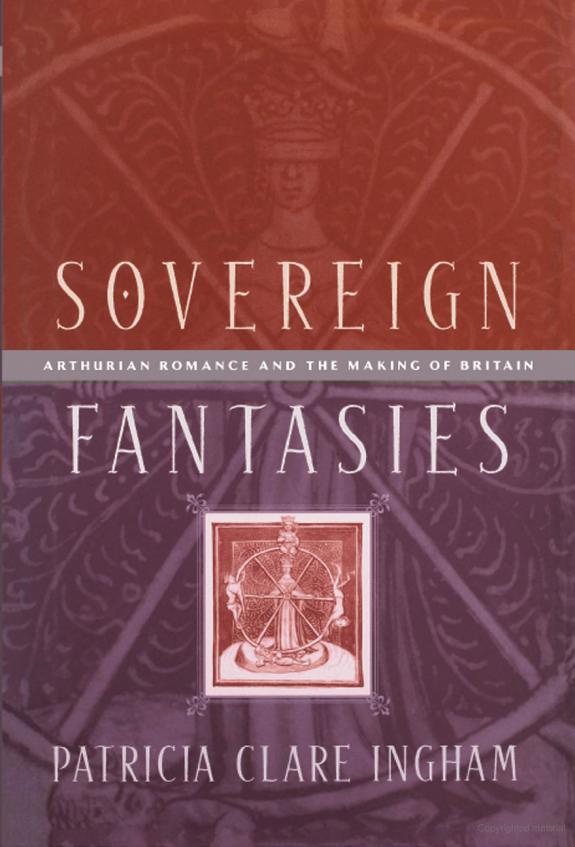
Sovereign Fantasies
Arthurian Romance and the Making of Britain
by Patricia Clare Ingham
296 pages· 2015· ISBN 9780812292541
About
During and after the Hundred Years War, English rulers struggled with a host of dynastic difficulties, including problems of royal succession, volatile relations with their French cousins, and the consolidation of their colonial ambitions toward the areas of Wales and Scotland. Patricia Ingham brings these precarious historical positions to bear on readings of Arthurian literature in Sovereign Fantasies, a provocative work deeply engaged with postcolonial and gender theory. Ingham argues that late medieval English Arthurian romance has broad cultural ambitions, offering a fantasy of insular union as an "imagined community" of British sovereignty. The Arthurian legends offer a means to explore England's historical indebtedness to and intimacies with Celtic culture, allowing nobles to repudiate their dynastic ties to France and claim themselves heirs to an insular heritage. Yet these traditions also provided a means to critique English conquest, elaborating the problems of centralized sovereignty and the suffering produced by chivalric culture. Texts such as Sir Gawain and the Green Knight, the Alliterative Morte Arthure, and Caxton's edition of Malory's Morte Darthur provide what she terms a "sovereign fantasy" for Britain. That is, Arthurian romance offers a cultural means to explore broad political contestations over British identity and heritage while also detailing the poignant complications and losses that belonging to such a community poses to particular regions and subjects. These contestations and complications emerge in exactly those aspects of the tales usually read as fantasy-for example, in the narratives of Arthur's losses, in the prophecies of his return, and in tales that dwell on death, exotic strangeness, uncanny magic, gender, and sexuality. Ingham's study suggests the nuances of the insular identity that is emphasized in this body of literature. Sovereign Fantasies shows the significance, rather than the irrelevance, of medieval dynastic motifs to projects of national unification, arguing that medieval studies can contribute to our understanding of national formations in part by marking the losses produced by union.
Discuss Sovereign Fantasies with other readers
Join or start a book club for Sovereign Fantasies on Readfeed. Live chat, shared reading progress, and AI discussion questions — free to get started.
Frequently asked questions
How do I join a book club for Sovereign Fantasies?
Sign up free on Readfeed, then browse public clubs or start your own club with Sovereign Fantasies as the current read. Invite friends with a share link and discuss together with live chat and AI discussion questions.
Can I discuss Sovereign Fantasies with other readers online?
Yes. Readfeed book clubs let you chat live, share progress, and join discussions about Sovereign Fantasies with readers worldwide — whether your club is virtual, in-person, or hybrid.
Is Readfeed free?
Yes. Creating an account and joining book clubs is free. Sign up to find readers who love the same books and start discussing today.