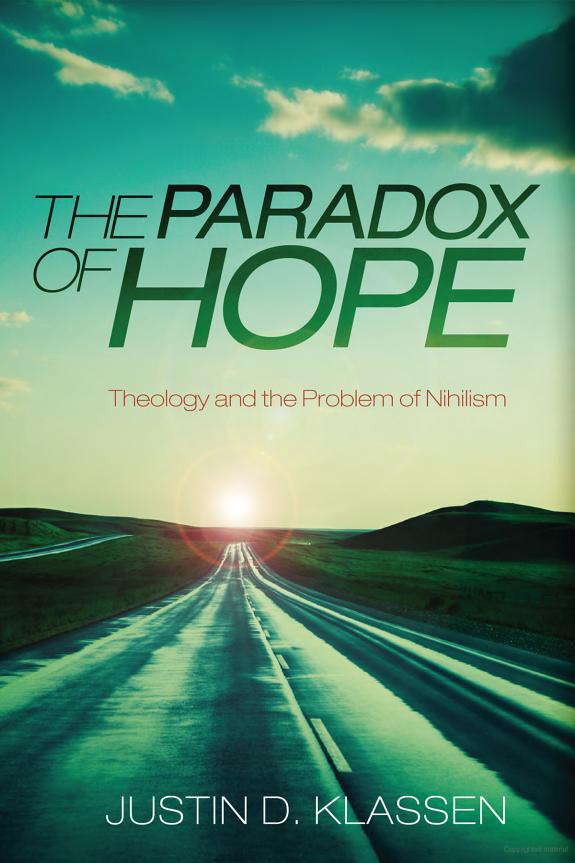
The Paradox of Hope
Theology and the Problem of Nihilism
by Justin D. Klassen
262 pages· 2011· ISBN 9781621893578
About
In contemporary public discourse, the supposedly comprehensive explanatory power of reason is used to justify a thoroughgoing suspicion of religion. In recent decades, the critiques of postmodernism have generated a different kind of suspicion by construing history as a process that is too arbitrary to be narrated--either by modern reason or by religion. In light of these developments, a question arises regarding the appropriate theological response to such forms of suspicion, both of which threaten not just religion but our sense of human agency as such. Does the retrieval of a meaningful religious subjectivity in a climate of suspicion demand a renewed emphasis upon theology's rhetorical persuasiveness, as Radical Orthodoxy has recently proposed? Or does identifying the believing subject with theology's "grammar" fail to attend to some of the challenges posed by such suspicion? The Paradox of Hope answers these questions in an original and provocative way by clarifying the complex relationship between post-secular theology and the work of Søren Kierkegaard. Ultimately, Klassen argues that Kierkegaard's influence is crucial, albeit obscured, in current post-secular theological imperatives, and that the Dane's eschewal of persuasion in favor of hope's inexplicable resolve provides a more adequate response to the nihilism of contemporary suspicion than do the rhetorical proposals currently on offer. In light of this argument, The Paradox of Hope also rehabilitates some of the voices typically excluded by contemporary theology's rhetoric, including those of Heidegger, Derrida, and Levinas.
Discuss The Paradox of Hope with other readers
Join or start a book club for The Paradox of Hope on Readfeed. Live chat, shared reading progress, and AI discussion questions — free to get started.
Frequently asked questions
How do I join a book club for The Paradox of Hope?
Sign up free on Readfeed, then browse public clubs or start your own club with The Paradox of Hope as the current read. Invite friends with a share link and discuss together with live chat and AI discussion questions.
Can I discuss The Paradox of Hope with other readers online?
Yes. Readfeed book clubs let you chat live, share progress, and join discussions about The Paradox of Hope with readers worldwide — whether your club is virtual, in-person, or hybrid.
Is Readfeed free?
Yes. Creating an account and joining book clubs is free. Sign up to find readers who love the same books and start discussing today.