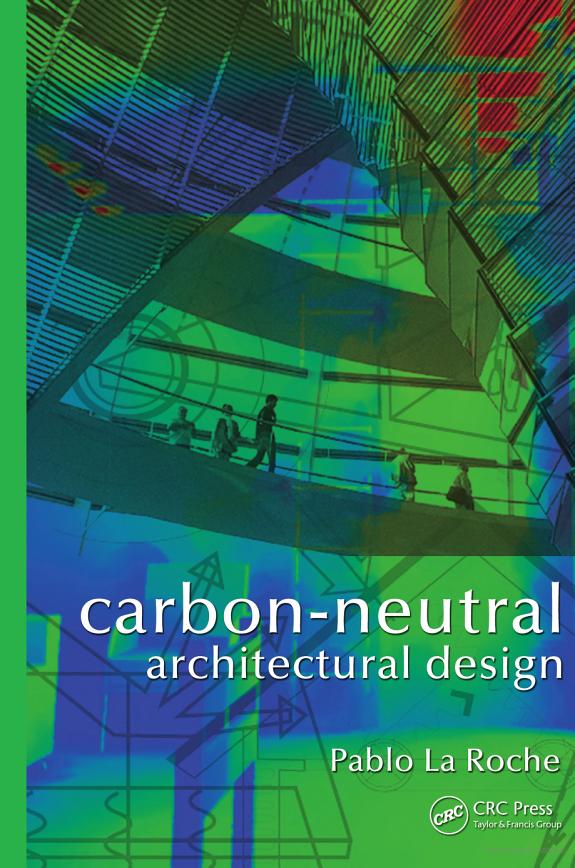
Carbon-Neutral Architectural Design
by Pablo M. La Roche
344 pages· 2011· ISBN 9781439845127
About
The energy used to operate buildings is one of the most significant sources of greenhouse gas emissions. To lessen the human impact on climate, it is necessary to reduce these building-related emissions. New legislation, as well as market and financial pressures, are driving architects and developers to create low-carbon buildings. While it is possible to achieve many of these reductions through appropriate climate-responsive design, many architects are not trained to do this. Filling an urgent need for a design reference in this emerging field, Carbon-Neutral Architectural Design describes how to reduce building-related greenhouse gas emissions through appropriate design techniques. This full-color book presents strategies and methods to achieve CO2 reductions, with an emphasis on control of energy flows through the building envelope and passive heating and cooling strategies. Strategies for Designing Buildings with a Smaller Carbon Footprint Examining climate change and its relationship with buildings, the book begins with a look at the sources of emissions and how these are produced as a result of interactions between buildings and the surrounding environment. It then introduces a carbon-neutral architectural design process (CNDP) and a roadmap that can be adjusted for different types of projects. Discussing climate analysis and solar geometry, the book explores how understanding the climate where a building is located helps to identify the design strategies that are best suited to that location—whether warm and humid, warm and dry, temperate, or cold. It looks at psychrometrics and how to achieve thermal comfort with minimum emissions. The book also explains how building fabric can be used to control energy flows by conduction, radiation, and convection—helping to reduce overheating and overcooling—and how to incorporate passive cooling and heating systems through appropriate design. The book includes useful references, equations, and illustrations, as well as a comparison of free carbon counting tools that can be used for residential building design. Drawing on the author’s extensive experience in teaching and practice, this is a valuable resource for anyone who wants to reduce the carbon footprint of buildings. Find more study resources at the American Institute of Architects’ Carbon Neutral Design Project web site. What’s next for green building? See what Dr. La Roche has to say in this video on the HMC Architects blog.
Discuss Carbon-Neutral Architectural Design with other readers
Join or start a book club for Carbon-Neutral Architectural Design on Readfeed. Live chat, shared reading progress, and AI discussion questions — free to get started.
Frequently asked questions
How do I join a book club for Carbon-Neutral Architectural Design?
Sign up free on Readfeed, then browse public clubs or start your own club with Carbon-Neutral Architectural Design as the current read. Invite friends with a share link and discuss together with live chat and AI discussion questions.
Can I discuss Carbon-Neutral Architectural Design with other readers online?
Yes. Readfeed book clubs let you chat live, share progress, and join discussions about Carbon-Neutral Architectural Design with readers worldwide — whether your club is virtual, in-person, or hybrid.
Is Readfeed free?
Yes. Creating an account and joining book clubs is free. Sign up to find readers who love the same books and start discussing today.