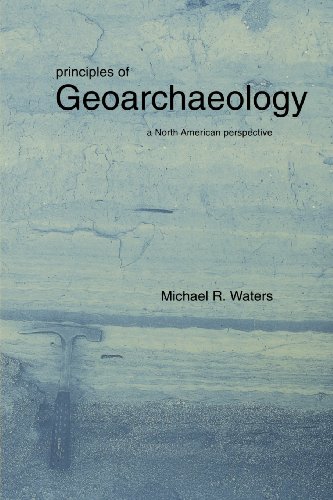
Principles of Geoarchaeology: A North American Perspective
A North American Perspective
by Michael R. Waters
CONTENTS
1. Research Objectives of Geoarchaeology
2. Geoarchaeological Foundations: The Archaeological Site Matrix: Sediments and Soils / Stratigraphy / The Geoarchaeological Interpretation of Sediments, Soils, and Stratigraphy
3. Alluvial Environments: Streamflow / Sediment Erosion, Transport, and Deposition / Alluvial Environments: Rivers, Arroyos, Terraces, and Fans / Alluvial Landscapes Evolution and the Archaeological Record / Alluvial Landscape Reconstruction
4. Eolian Environments: Sediment Erosion, Transport, and Deposition / Sand Dunes / Loess and Dust / Stone Pavements / Eolian Erosion / Volcanic Ash (Tephra)
5. Springs, Lakes, Rockshelters, and Other Terrestrial Environments: Springs / Lakes / Slopes / Glaciers / Rockshelters and Caves
6. Coastal Environments: Coastal Processes / Late Quaternary Sea Level Changes / Coastal Environments / Coastal Landscape Evolution and the Archaeological Record / Coastal Landscape Reconstruction
7. The Postburial Disturbance af Archaeological Site Contexts: Cryoturbation / Argilliturbation / Graviturbation / Deformation / Other Physical Disturbances / Floralturbation / Faunalturbation
8. Geoarchaeological Research
Appendix A: Geoarchaeological Studies Illustrating the Effects of Fluvial Landscape Evolution on the Archaeological Record
Appendix B: Geoarchaeological Studies Illustrating Site-Specific Synchronic and Diachronic Alluvial Landscape Reconstructions
Appendix C: Geoarchaeological Studies Illustrating Regional Synchronic and Diachronic Alluvial Landscape Reconstructions
Discuss Principles of Geoarchaeology: A North American Perspective with other readers
Join or start a book club for Principles of Geoarchaeology: A North American Perspective on Readfeed. Live chat, shared reading progress, and AI discussion questions — free to get started.
Frequently asked questions
How do I join a book club for Principles of Geoarchaeology: A North American Perspective?
Sign up free on Readfeed, then browse public clubs or start your own club with Principles of Geoarchaeology: A North American Perspective as the current read. Invite friends with a share link and discuss together with live chat and AI discussion questions.
Can I discuss Principles of Geoarchaeology: A North American Perspective with other readers online?
Yes. Readfeed book clubs let you chat live, share progress, and join discussions about Principles of Geoarchaeology: A North American Perspective with readers worldwide — whether your club is virtual, in-person, or hybrid.
Is Readfeed free?
Yes. Creating an account and joining book clubs is free. Sign up to find readers who love the same books and start discussing today.