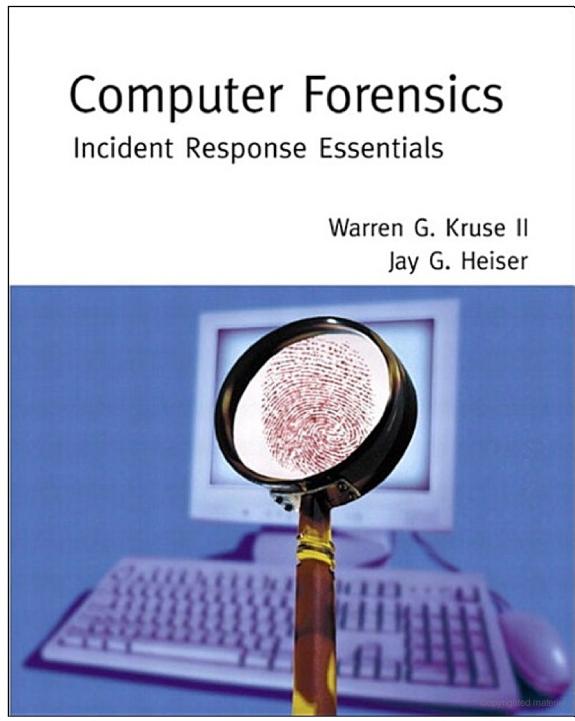
Computer Forensics
Incident Response Essentials
by Jay G. Heiser, Warren G. Kruse II
416 pages· 2001· ISBN 9780672334085
About
Every computer crime leaves tracks–you just have to know where to find them. This book shows you how to collect and analyze the digital evidence left behind in a digital crime scene. Computers have always been susceptible to unwanted intrusions, but as the sophistication of computer technology increases so does the need to anticipate, and safeguard against, a corresponding rise in computer-related criminal activity. Computer forensics, the newest branch of computer security, focuses on the aftermath of a computer security incident. The goal of computer forensics is to conduct a structured investigation to determine exactly what happened, who was responsible, and to perform the investigation in such a way that the results are useful in a criminal proceeding. Written by two experts in digital investigation, Computer Forensics provides extensive information on how to handle the computer as evidence. Kruse and Heiser walk the reader through the complete forensics process–from the initial collection of evidence through the final report. Topics include an overview of the forensic relevance of encryption, the examination of digital evidence for clues, and the most effective way to present your evidence and conclusions in court. Unique forensic issues associated with both the Unix and the Windows NT/2000 operating systems are thoroughly covered. This book provides a detailed methodology for collecting, preserving, and effectively using evidence by addressing the three A's of computer forensics: Acquire the evidence without altering or damaging the original data. Authenticate that your recorded evidence is the same as the original seized data. Analyze the data without modifying the recovered data. Computer Forensics is written for everyone who is responsible for investigating digital criminal incidents or who may be interested in the techniques that such investigators use. It is equally helpful to those investigating hacked web servers, and those who are investigating the source of illegal pornography.
Discuss Computer Forensics with other readers
Join or start a book club for Computer Forensics on Readfeed. Live chat, shared reading progress, and AI discussion questions — free to get started.
Frequently asked questions
How do I join a book club for Computer Forensics?
Sign up free on Readfeed, then browse public clubs or start your own club with Computer Forensics as the current read. Invite friends with a share link and discuss together with live chat and AI discussion questions.
Can I discuss Computer Forensics with other readers online?
Yes. Readfeed book clubs let you chat live, share progress, and join discussions about Computer Forensics with readers worldwide — whether your club is virtual, in-person, or hybrid.
Is Readfeed free?
Yes. Creating an account and joining book clubs is free. Sign up to find readers who love the same books and start discussing today.