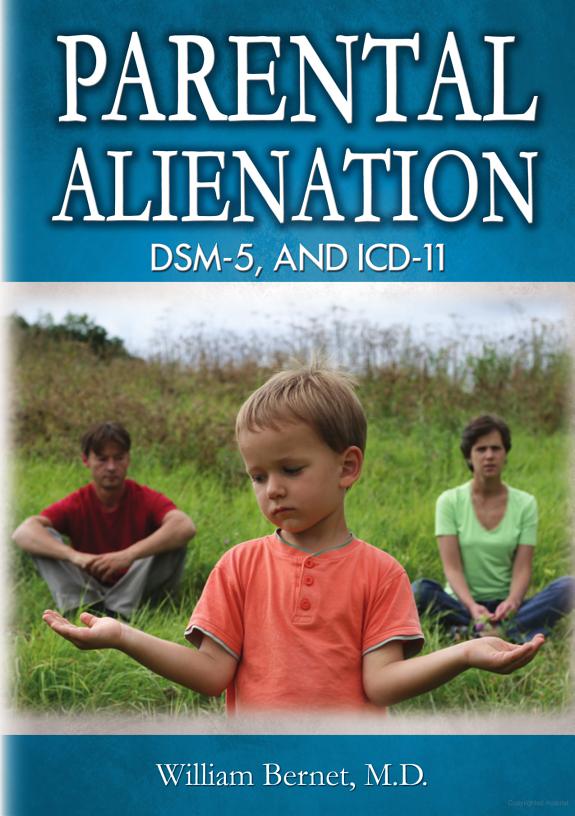
Parental Alienation, DSM-5, and ICD-11

Parental Alienation, DSM-5, and ICD-11

by Bernet William

265 pages· 2010· ISBN 9780398084493
About
Parental alienation is an important phenomenon that mental health professionals should know about and thoroughly understand, especially those who work with children, adolescents, divorced adults, and adults whose parents divorced when they were children. In this book, the authors define parental alienation as a mental condition in which a child - usually one whose parents are engaged in a high-conflict divorce - allies himself or herself strongly with one parent (the preferred parent) and rejects a relationship with the other parent (the alienated parent) without legitimate justification. This process leads to a tragic outcome when the child and the alienated parent, who previously had a loving and mutually satisfying relationship, lose the nurture and joy of that relationship for many years and perhaps for their lifetimes. We estimate that 1 percent of children and adolescents in the U.S. experience parental alienation. When the phenomenon is properly recognized, this condition is preventable and treatable in many instances. The authors of this book believe that parental alienation is not simply a minor aberration in the life of a family, but a serious mental condition. Because of the false belief that the alienated parent is a dangerous or unworthy person, the child loses one of the most important relationships in his or her life. This book contains much information about the validity, reliability, and prevalence of parental alienation. It also includes a comprehensive international bibliography regarding parental alienation with more than 600 citations. In order to bring life to the definitions and the technical writing, several short clinical vignettes have been included. These vignettes are based on actual families and real events, but have been modified to protect the privacy of both the parents and children.

Discuss Parental Alienation, DSM-5, and ICD-11 with other readers

Join or start a book club for Parental Alienation, DSM-5, and ICD-11 on Readfeed. Live chat, shared reading progress, and AI discussion questions — free to get started.

Frequently asked questions

How do I join a book club for Parental Alienation, DSM-5, and ICD-11?

Sign up free on Readfeed, then browse public clubs or start your own club with Parental Alienation, DSM-5, and ICD-11 as the current read. Invite friends with a share link and discuss together with live chat and AI discussion questions.

Can I discuss Parental Alienation, DSM-5, and ICD-11 with other readers online?

Yes. Readfeed book clubs let you chat live, share progress, and join discussions about Parental Alienation, DSM-5, and ICD-11 with readers worldwide — whether your club is virtual, in-person, or hybrid.

Is Readfeed free?

Yes. Creating an account and joining book clubs is free. Sign up to find readers who love the same books and start discussing today.