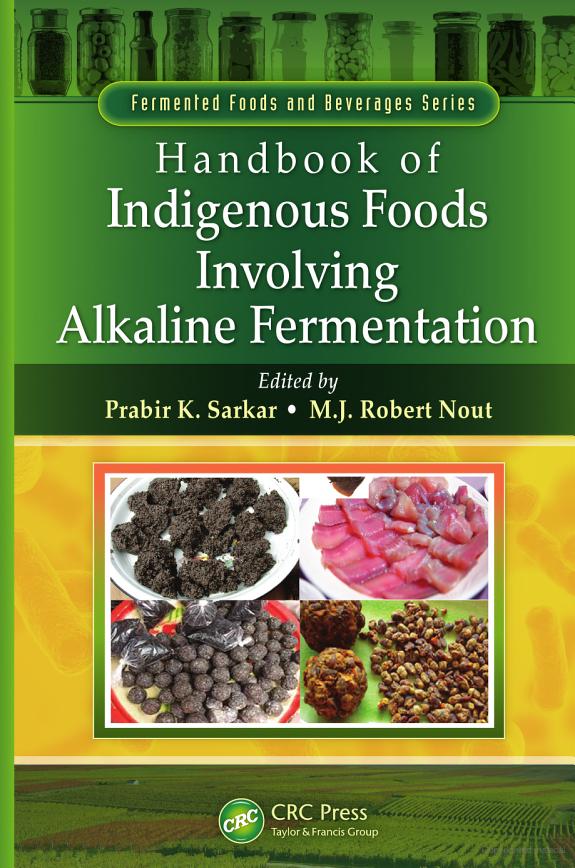
Handbook of Indigenous Foods Involving Alkaline Fermentation

Handbook of Indigenous Foods Involving Alkaline Fermentation

by Prabir K. Sarkar, M.J. Robert Nout

629 pages· 2014· ISBN 9781466565302
About
Handbook of Indigenous Foods Involving Alkaline Fermentation details the basic approaches of alkaline fermentation, provides a brief history, and offers an overview of the subject. Devoted exclusively to alkaline-fermented foods (AFFs), this text includes contributions from experts from around the globe. It discusses the diversity of indigenous fermented foods involving an alkaline reaction, as well as the taxonomy, ecology, physiology, and genetics of predominant microorganisms occurring in AFFs. Presented in nine chapters, the book explains how microorganisms or enzymes transform raw ingredients into AFFs. It discusses the safety aspects of AFFs, and considers the challenges associated with the technological aspects in modernizing AFFs. It stresses the significance of the microbiological and biochemical processes in the fermentations, as well as the factors that influence the development of the characteristic microbiota, and the biochemical and organoleptic changes induced by them. It also proposes solutions, discusses the value of AFFs and related dominant microorganisms, and assesses the future of AFFs. The authors highlight commonly known foods and beverages of plant and animal origin. They provide insight into the manufacture, chemical and microbiological composition, processing, and compositional and functional modifications taking place as a result of microbial and enzyme effects. The text examines safety, legislation, traditional and industrialized processes, as well as new product development, and opportunities for developing commodities from Africa, Asia, Europe, Latin America, and the Middle East. In addition, it also assesses the value of food processing by-products, biotechnology, and engineering of solid-state processes, modern chemical and biological analytical approaches to safety, and health and consumer perception. Focuses on how fermentation of food remains an important aspect of food processing Describes how fermentation of food contributes to its preservation Details how fermented food gets its flavor from microbial and enzymatic modifications of food components such as sugars, fats, and proteins Handbook of Indigenous Foods Involving Alkaline Fermentation offers insight into the microbiology and chemistry of the fermentation processes. This book serves graduate students and researchers of food science and technology, nutrition and dietetics, food microbiology, and related areas.

Discuss Handbook of Indigenous Foods Involving Alkaline Fermentation with other readers

Join or start a book club for Handbook of Indigenous Foods Involving Alkaline Fermentation on Readfeed. Live chat, shared reading progress, and AI discussion questions — free to get started.

Frequently asked questions

How do I join a book club for Handbook of Indigenous Foods Involving Alkaline Fermentation?

Sign up free on Readfeed, then browse public clubs or start your own club with Handbook of Indigenous Foods Involving Alkaline Fermentation as the current read. Invite friends with a share link and discuss together with live chat and AI discussion questions.

Can I discuss Handbook of Indigenous Foods Involving Alkaline Fermentation with other readers online?

Yes. Readfeed book clubs let you chat live, share progress, and join discussions about Handbook of Indigenous Foods Involving Alkaline Fermentation with readers worldwide — whether your club is virtual, in-person, or hybrid.

Is Readfeed free?

Yes. Creating an account and joining book clubs is free. Sign up to find readers who love the same books and start discussing today.