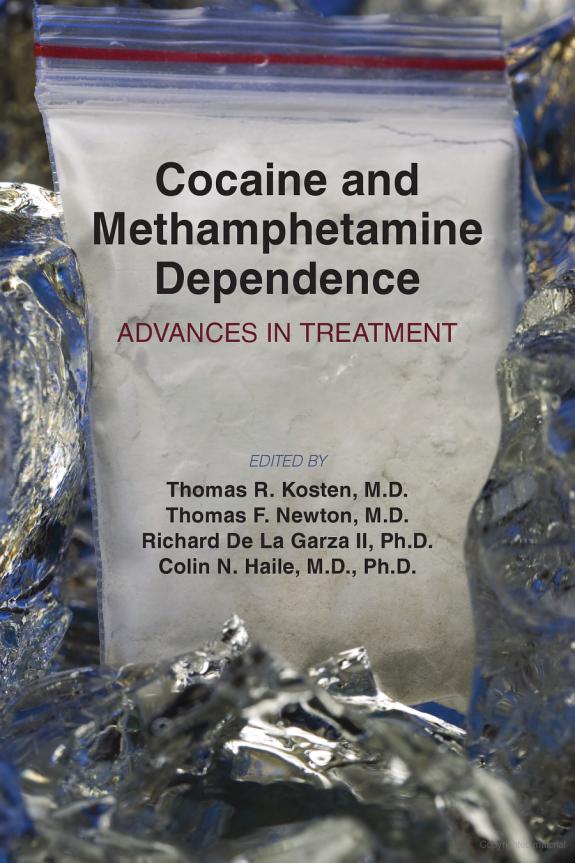
Cocaine and Methamphetamine Dependence

Cocaine and Methamphetamine Dependence

Advances in Treatment

by Thomas R. Kosten, Thomas F. Newton, Richard De La Garza II, Colin N. Haile

234 pages· 2012· ISBN 9781585629756
About
While the APA's Textbook of Addiction Psychiatry covers material that a general psychiatrist or primary care physician needs for the appropriate referral and initial management of stimulant dependence, Cocaine and Methamphetamine Dependence: Advances in Treatment goes beyond this basic knowledge and addresses the rapid evolution of both the understanding and the treatment of stimulant abusers. It also sheds light on how the epidemiology of cocaine, amphetamine and methamphetamine abuse and dependence have substantial differences in geographic distribution both here and abroad, and how treatments are evolving to help these complex patients benefit from emerging pharmacological and behavioral therapies. Cocaine dependence complications account for one out of every three drug-related emergency room visits. Coroners' reports relate stimulants to the direct cause of death in 25% of cocaine overdoses and 68% of methamphetamine overdoses or as antecedents causing cardiovascular or medical problems leading to death in 20% of these abusers. Additionally, cocaine and methamphetamine abuse and dependence frequently co-occur with other major mental illnesses such as schizophrenia, major depression, and posttraumatic stress disorder. This makes a greater understanding of stimulant dependence among the psychiatric community an integral part of providing effective evaluation and treatment. Cocaine and Methamphetamine Dependence provides: An introduction of the DSM-5 plan to drop the distinction between abuse and dependence and add craving as a criterion. An overview of how the epidemiology of stimulant abuse is changing and pharmaceutical abuse is rising due to factors such as greater availability through family and friends who are increasingly being prescribed stimulants for conditions like weight loss or attention deficit disorder. The insight that even after long abstinence, stimulant users may remain vulnerable to amphetamine-induced psychosis, with delusions, paranoia and compulsive behavior. The insight that a comprehensive assessment of the patient involves the management of aberrant behaviors such as intoxication, violence, suicide, impaired cognitive function, and uncontrolled affective displays. A focus on treatment, emphasizing that the most important component of stimulant treatment involves behavioral therapies, often in combination with adjunctive medications. A review of the criminal justice system's shift away from punitive action and towards more human treatment, including the far-reaching benefits of medical management and treatment. Fortunately, our understanding of stimulant abuse and dependence is growing at a time when a steady stream of new users and casualties is still accumulating. Constant vigilance regarding changes in epidemiology, fluctuations in drug availability, and changes in drug trafficking patterns are essential to recognition of new drug abuse patterns and their identification and treatment. Cocaine and Methamphetamine Dependence should be on the bookshelf of residents, physicians and psychiatrists who are highly likely to come into contact with one of the millions using and abusing stimulants today.

Discuss Cocaine and Methamphetamine Dependence with other readers

Join or start a book club for Cocaine and Methamphetamine Dependence on Readfeed. Live chat, shared reading progress, and AI discussion questions — free to get started.

Frequently asked questions

How do I join a book club for Cocaine and Methamphetamine Dependence?

Sign up free on Readfeed, then browse public clubs or start your own club with Cocaine and Methamphetamine Dependence as the current read. Invite friends with a share link and discuss together with live chat and AI discussion questions.

Can I discuss Cocaine and Methamphetamine Dependence with other readers online?

Yes. Readfeed book clubs let you chat live, share progress, and join discussions about Cocaine and Methamphetamine Dependence with readers worldwide — whether your club is virtual, in-person, or hybrid.

Is Readfeed free?

Yes. Creating an account and joining book clubs is free. Sign up to find readers who love the same books and start discussing today.