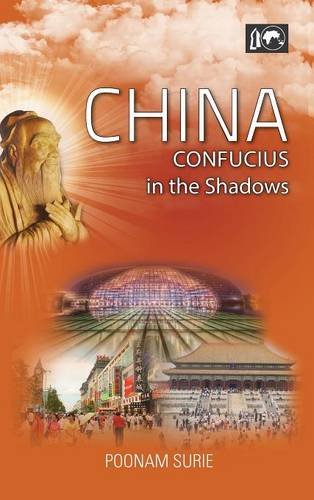
China
Confucius in the Shadows
by Poonam Surie
284 pages· 2015· ISBN 9789383649358
About
Earlier this decade a statue of Confucius appears suddenly in Tiananmen Square in Beijing. It is facing Chairman Mao's statue in front of the Forbidden City. Mysteriously, it disappears a few days later. Why was it removed overnight? Where is it now No clear answers seem to have emerged. Most communist regimes have tried to make a break with the traditions of the past believing them to be the cause of all ills in society. But has the historical experience of Communist regimes shown that to be true? Today, Buddhist, Daoist and Confucian temples across cities and villages in China are crowded with people offering prayers. People swarm to pay their respects to their traditional sages. Like the warp and weft of a fabric, China has the mark of traditions and ancient ethos present in its society and this has come handed down over the centuries and across generations. Confucianism has been among the most well absorbed, best known and documented value systems in China. It was and still is a living tradition, a way of life and a philosophy. Propounded by Confucius (551-479 BC), this value system has had a lasting and deep seated influence on the Chinese. A philosopher and a thinker of the Spring and Autumn period, Confucius has been considered a wise and fair teacher and a shrewd strategist in war. In spite of the fact that Confucian values have been present beneath the surface in China along with Buddhist and Daoist beliefs for generations, it is interesting to study why Confucius is being talked about so much of late. Over the years in Communist China, Confucian thought had been swept under the carpet but resurrected in part depending on whether it suited the then current leadership. While Mao rejected Confucius's ideas, he did not hesitate to use them whenever it suited him. A study of Confucius and his value systems at this moment in time makes sense and is important for a number of reasons. In the evolving socio political milieu of China, interpreting Confucian philosophy as being non confrontationist, benevolent and with values such as filial piety and harmony could help the current political regime deal with such problems as corruption and rising inequalities. Not only is Confucius being used to present to the world a completely Chinese cultural icon but it may also provide the Party with a useful tool to temper the simmering discontent in its society.
Discuss China with other readers
Join or start a book club for China on Readfeed. Live chat, shared reading progress, and AI discussion questions — free to get started.
Frequently asked questions
How do I join a book club for China?
Sign up free on Readfeed, then browse public clubs or start your own club with China as the current read. Invite friends with a share link and discuss together with live chat and AI discussion questions.
Can I discuss China with other readers online?
Yes. Readfeed book clubs let you chat live, share progress, and join discussions about China with readers worldwide — whether your club is virtual, in-person, or hybrid.
Is Readfeed free?
Yes. Creating an account and joining book clubs is free. Sign up to find readers who love the same books and start discussing today.