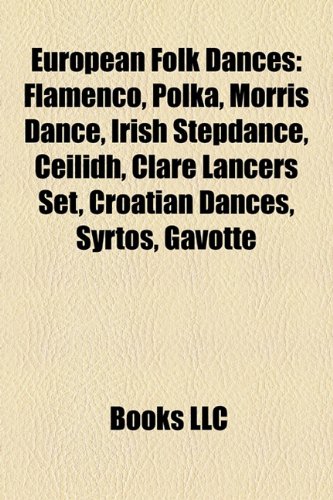
European Folk Dances

European Folk Dances

Flamenco, Polka, Morris Dance, Irish Stepdance, Céilidh, Clare Lancers Set, Croatian Dances, Syrtos, Gavotte

by LLC Books

186 pages· 2010· ISBN 9781157667292
About
Please note that the content of this book primarily consists of articles available from Wikipedia or other free sources online. Pages: 50. Chapters: Flamenco, Polka, Scottish highland dance, Ukrainian dance, Irish stepdance, Schottische, C ilidh, Syrtos, Hora, Turkish Cypriot folk dances, Faroese dance, Hornpipe, Cornish dance, Basque dance, Bourr e, Sword dance, Bacchu-ber, Jewish dance, Country dancing, Scottish sword dances, Ceili dance, Set dancing, Barn dance, Polish folk dances, Kolo, Zwiefacher, Farandole, L ndler, Step dance, o ek, Schuhplattler, Paidushko horo, iftetelli, Dutch folk dance, Skocna, Buf ansko, Perini a, Furiant, Sousta, Pas de Basques and Highcuts, B arnaise dance, Zervos, Freilekhs. Excerpt: Flamenco is a genre of music and dance which has its foundation in Andalusian music and dance and in whose evolution Andalusian Gypsies played an important part. The term flamenco was first recorded in the late 18th century but many aficionados believe the art form is much older. The cante (singing), toque (guitar playing), dance and palmas (handclaps) are the principal facets of flamenco. In recent years flamenco has become popular all over the world and is taught in many countries - in Japan flamenco is so popular there are more academies there than in Spain. On November 16, 2010, UNESCO declared Flamenco one of the Masterpieces of the Oral and Intangible Heritage of Humanity. There are questions not only about the origins of flamenco, but also about the origins of the word itself. There are many theories (summarized below), but no solid evidence for any of them. The word was not recorded until the late 18th century. George Borrow asserted the word flemenc is synonymous with "gypsy." Blas Infante, in his book Or genes de lo flamenco y secreto del cante jondo, suggests the word may derive from Andalusian Arabic fellah mengu, "Escapee Peasant," referring to the Muslim Andalusians (Moriscos) who decided to stay and mix with the Romani newcomers when...

Discuss European Folk Dances with other readers

Join or start a book club for European Folk Dances on Readfeed. Live chat, shared reading progress, and AI discussion questions — free to get started.

Frequently asked questions

How do I join a book club for European Folk Dances?

Sign up free on Readfeed, then browse public clubs or start your own club with European Folk Dances as the current read. Invite friends with a share link and discuss together with live chat and AI discussion questions.

Can I discuss European Folk Dances with other readers online?

Yes. Readfeed book clubs let you chat live, share progress, and join discussions about European Folk Dances with readers worldwide — whether your club is virtual, in-person, or hybrid.

Is Readfeed free?

Yes. Creating an account and joining book clubs is free. Sign up to find readers who love the same books and start discussing today.