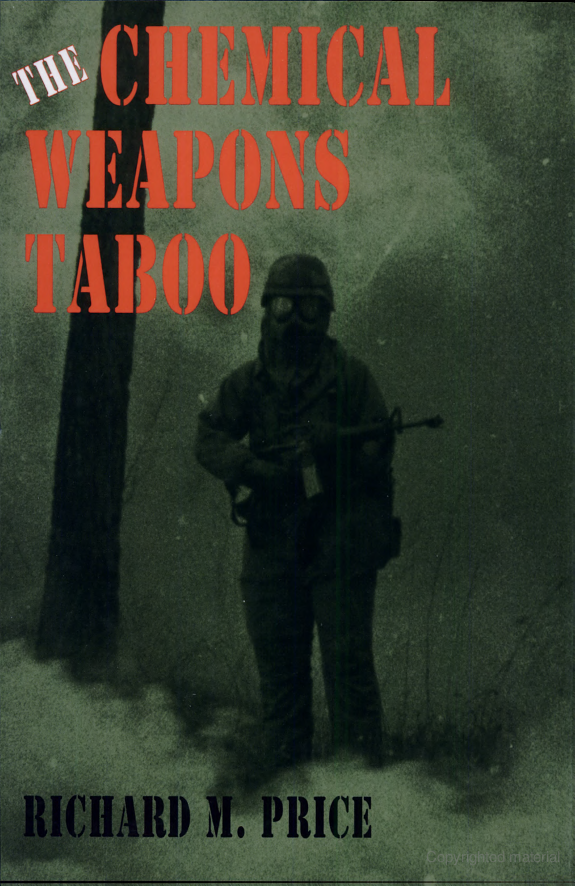
The Chemical Weapons Taboo
by Richard MacKay Price
233 pages· 1997· ISBN 9780801433061
About
Richard M. Price asks why, among all the ominous technologies of weaponry throughout the history of warfare, chemical weapons carry a special moral stigma. Something more seems to be at work than the predictable resistance people have expressed to any new weaponry, from the crossbow to nuclear bombs. Perceptions of chemical warfare as particularly abhorrent have been successfully institutionalized in international proscriptions and, Price suggests, understanding the sources of this success might shed light on other efforts at arms control. To explore the origins and meaning of the chemical weapons taboo, Price presents a series of case studies from World War I through the Gulf War of 1990-1991. He traces the moral arguments against gas warfare from the Hague Conferences at the turn of the century through negotiations for the Chemical Weapons Convention of 1993. From the Italian invasion of Ethiopia to the war between Iran and Iraq, chemical weapons have been condemned as the "poor man's bomb." Drawing upon insights from Michel Foucault to explain the role of moral norms in an international arena rarely sensitive to such pressures, he focuses on the construction of and mutations in the refusal to condone chemical weapons.
Discuss The Chemical Weapons Taboo with other readers
Join or start a book club for The Chemical Weapons Taboo on Readfeed. Live chat, shared reading progress, and AI discussion questions — free to get started.
Frequently asked questions
How do I join a book club for The Chemical Weapons Taboo?
Sign up free on Readfeed, then browse public clubs or start your own club with The Chemical Weapons Taboo as the current read. Invite friends with a share link and discuss together with live chat and AI discussion questions.
Can I discuss The Chemical Weapons Taboo with other readers online?
Yes. Readfeed book clubs let you chat live, share progress, and join discussions about The Chemical Weapons Taboo with readers worldwide — whether your club is virtual, in-person, or hybrid.
Is Readfeed free?
Yes. Creating an account and joining book clubs is free. Sign up to find readers who love the same books and start discussing today.