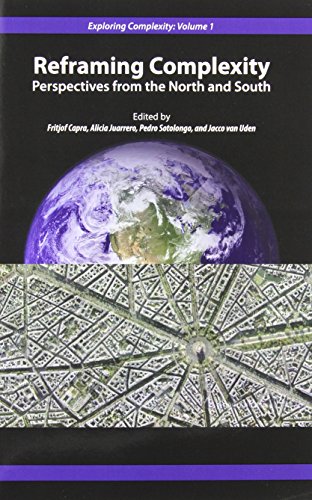
Reframing Complexity

Reframing Complexity

Perspectives from the North and South

by Fritjof Capra, Alicia Juarrero, Sotolongo Pedro, Jacco van Uden

286 pages· 2009· ISBN 9780984216420
About
Havana's Instituto de Filosofia's First Biennial International Seminar on the Philosophical, Epistemological and Methodological Implications of Complexity Theory, was held in January 2002 in Havana, Cuba's capital city. The seminar was aimed at familiarizing Cuban researchers and professors in a more direct way with some of the current trends - and widespread scope - of the expanding field of complexity thinking, affording them the possibility of personal contacts with some of the people engaged in that effort. The seminar was attended by specialists from fifteen countries, ranging from Chile to Australia along the West-East axis, and from Norway to South Africa along the North-South one. There were participants from developed and underdeveloped countries. This book contains selected papers from the 'Complexity 2002' seminar, edited by Fritjof Capra (author of 'The Tao of Physics', 'The Web of Life: A New Scientific Understanding of Living Systems' and 'The Hidden Connections: A Science for Sustainable Living'), Alicia Juarrero (author of 'Dynamics in Action'), Pedro Sotolong, and Jacco van Uden (author of 'Complexity and Organization'). The papers have been organized in four parts: I. Sources of Complexity: Science and Information; II. Philosophical, Epistemological and Methodological implications; III. Organizational Implications; IV. Global and Ethical Implications. The papers in Part I can be said to approach the phenomenon of complexity at a very basic level. Here the issues being addressed revolve around the very fundamental question of why the complexity sciences are so important: What are the most fundamental lessons to be learned from studying complex systems? Papers included in Part II engage in a broader, philosophical investigation of some of the most general ontological, epistemological and methodological implications of the complexity approach, showing how very old questions are currently being reformulated and/or reinterpreted in the light of complexity thinking. Papers that appear in Part III address various important issues about the links between complexity and social, organizational, business and management questions. Finally, Papers in Part IV return once again to more global implications of Complexity thinking, this time dealing with Ethical and Globalization issues of contemporary world.

Discuss Reframing Complexity with other readers

Join or start a book club for Reframing Complexity on Readfeed. Live chat, shared reading progress, and AI discussion questions — free to get started.

Frequently asked questions

How do I join a book club for Reframing Complexity?

Sign up free on Readfeed, then browse public clubs or start your own club with Reframing Complexity as the current read. Invite friends with a share link and discuss together with live chat and AI discussion questions.

Can I discuss Reframing Complexity with other readers online?

Yes. Readfeed book clubs let you chat live, share progress, and join discussions about Reframing Complexity with readers worldwide — whether your club is virtual, in-person, or hybrid.

Is Readfeed free?

Yes. Creating an account and joining book clubs is free. Sign up to find readers who love the same books and start discussing today.