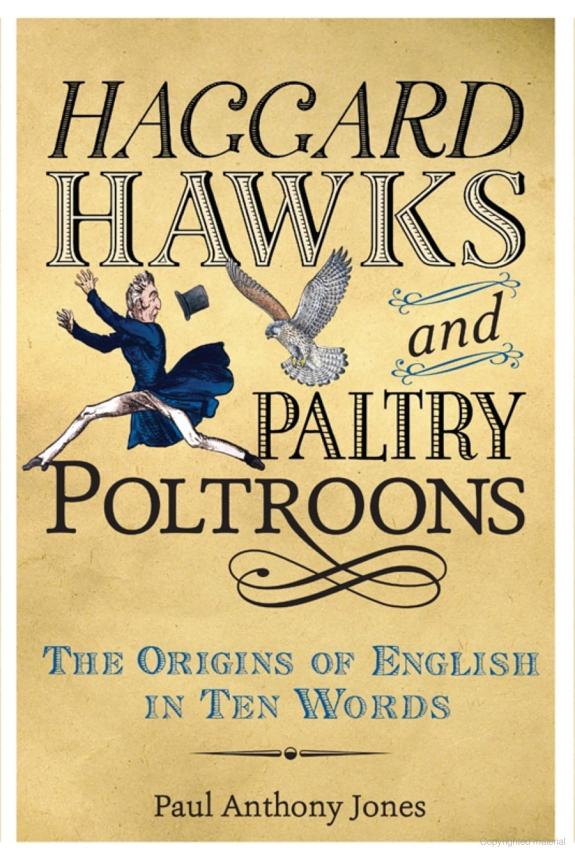
Haggard Hawks and Paltry Poltroons
The Origins of English in Ten Words
by Paul Anthony Jones
Discuss Haggard Hawks and Paltry Poltroons with other readers
Join or start a book club for Haggard Hawks and Paltry Poltroons on Readfeed. Live chat, shared reading progress, and AI discussion questions — free to get started.
Frequently asked questions
How do I join a book club for Haggard Hawks and Paltry Poltroons?
Sign up free on Readfeed, then browse public clubs or start your own club with Haggard Hawks and Paltry Poltroons as the current read. Invite friends with a share link and discuss together with live chat and AI discussion questions.
Can I discuss Haggard Hawks and Paltry Poltroons with other readers online?
Yes. Readfeed book clubs let you chat live, share progress, and join discussions about Haggard Hawks and Paltry Poltroons with readers worldwide — whether your club is virtual, in-person, or hybrid.
Is Readfeed free?
Yes. Creating an account and joining book clubs is free. Sign up to find readers who love the same books and start discussing today.