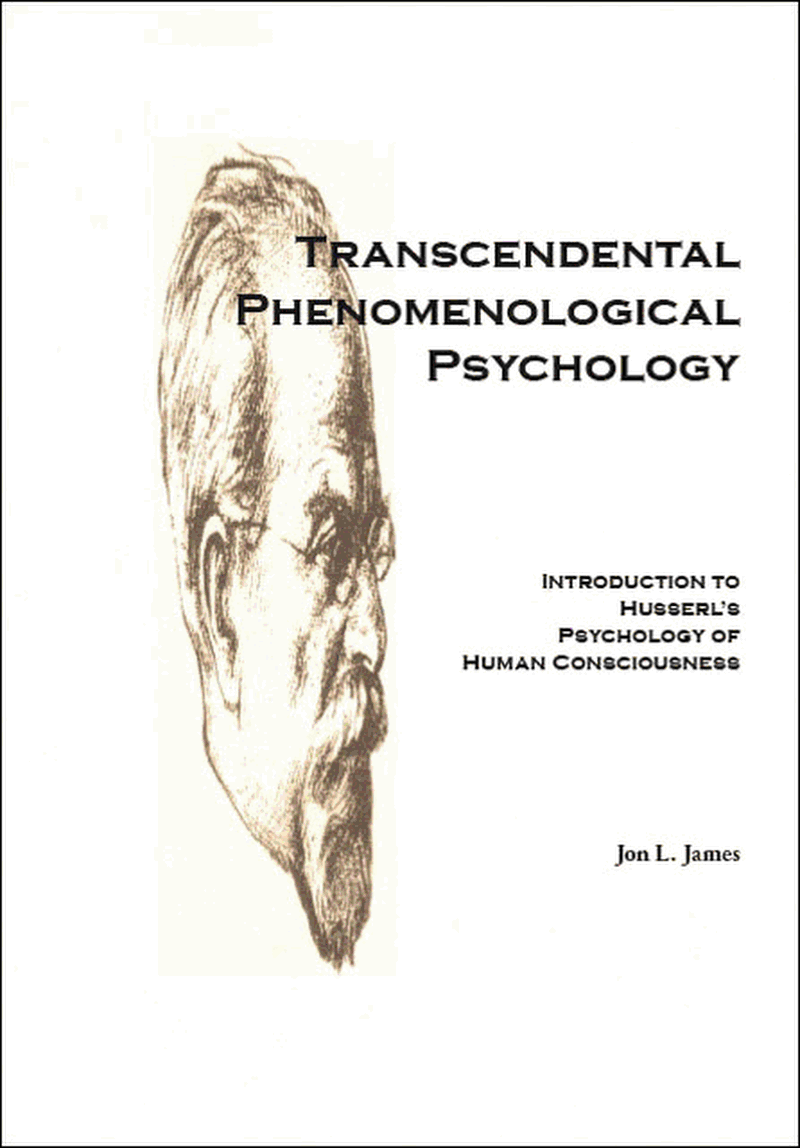
Transcendental Phenomenological Psychology

Transcendental Phenomenological Psychology

Introduction to Husserl's Psychology of Human Consciousness

by Jon L. James

325 pages· 2007· ISBN 9781425112943
About
A phenomenological explanation of human consciousness has long been sought in regions of psychology since the discipline was first carved out of philosophical concepts and theories about the human condition. In its earliest years, Western psychology was faced with two possible directions for this explanation: an empirical naturalistic approach along with physics and biology, or a non-empirical eidetic approach along with logic and mathematics. Edmund Husserl took up the latter. His phenomenological tradition of inquiry successfully spanned nearly forty years until suddenly stopped and largely suppressed during the Second World War. This book recovers Husserl's revolutionary approach toward the human sciences, just as it was developed, and just as it is presented for further study. Here, the author systematically gathers what Husserl calls the "leading clues" in the phenomenological method proper for a psychology of affective inner experience, and then for the first time applies Husserl's own methodology for introducing a phenomenological psychology in the transcendental register of human consciousness. Unlike contemporary phenomenological psychology in the existential register, transcendental phenomenological psychology is presented as an eidetic non-empirical "act psychology" in Husserl's mature genetic phenomenology. This novel approach takes in the full range of solipsistic and transcendental subjectivity in Husserl's theories of human consciousness, and follows Husserl's lead in presenting phenomenological psychology as an "applied geometry" of intentional experience within a step-wise theory of inquiry. This book is unique in human science today, not only in its presentation of the development and applications of Husserl's key concepts for the discipline of psychology, but also for introducing a psychology that could be intuitively grasped as self-evidently valid wherever one's interest might lie.

Discuss Transcendental Phenomenological Psychology with other readers

Join or start a book club for Transcendental Phenomenological Psychology on Readfeed. Live chat, shared reading progress, and AI discussion questions — free to get started.

Frequently asked questions

How do I join a book club for Transcendental Phenomenological Psychology?

Sign up free on Readfeed, then browse public clubs or start your own club with Transcendental Phenomenological Psychology as the current read. Invite friends with a share link and discuss together with live chat and AI discussion questions.

Can I discuss Transcendental Phenomenological Psychology with other readers online?

Yes. Readfeed book clubs let you chat live, share progress, and join discussions about Transcendental Phenomenological Psychology with readers worldwide — whether your club is virtual, in-person, or hybrid.

Is Readfeed free?

Yes. Creating an account and joining book clubs is free. Sign up to find readers who love the same books and start discussing today.