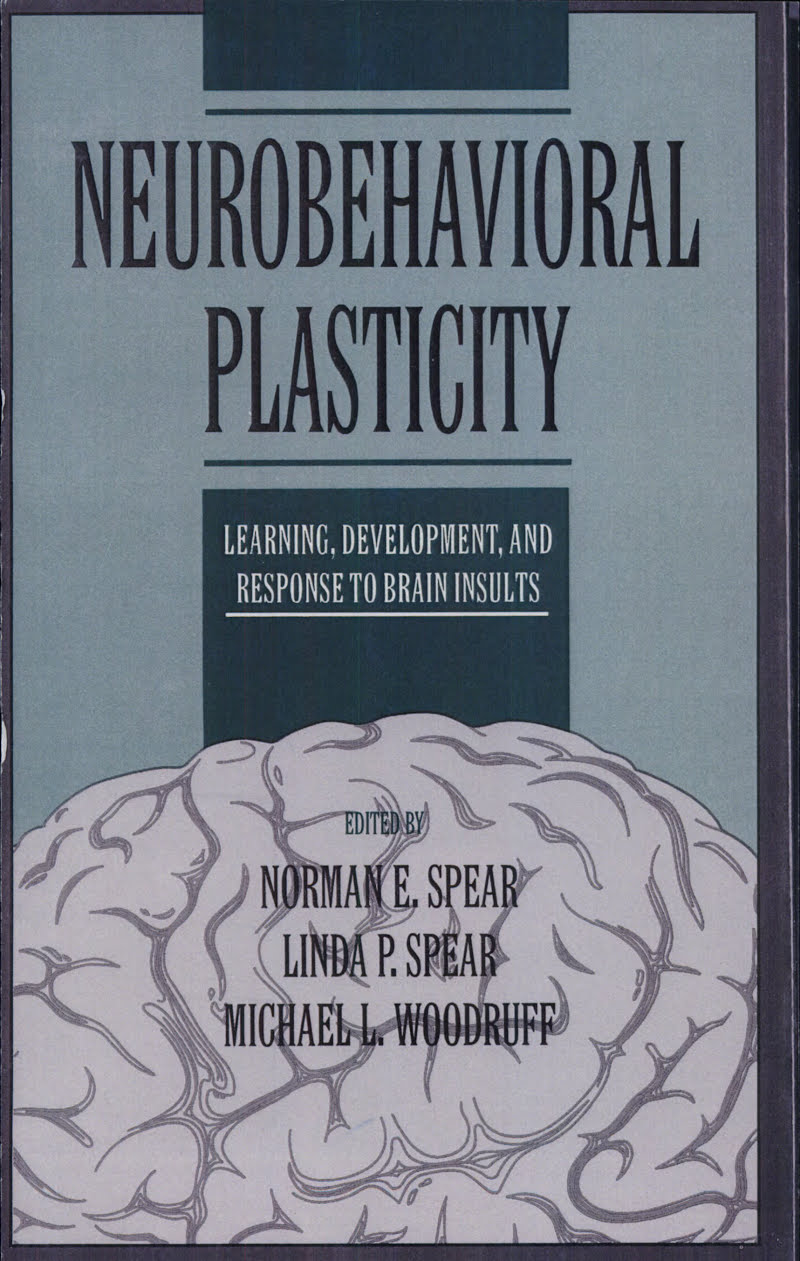
Neurobehavioral Plasticity

Neurobehavioral Plasticity

Learning, Development, and Response to Brain Insults

by Norman E. Spear, Linda P. Spear, Michael L. Woodruff

490 pages· 2013· ISBN 9781134780853
About
This book describes a unique combination of research programs based on a striking variety of hypotheses and procedures directed toward understanding the sources and consequences of neurobehavioral plasticity. This remarkable attribute of the nervous system -- to be pliable and capable of being shaped or formed by natural or artificial sources toward adaptation or maladaptation -- is considered in terms of the neurochemical forces and neuroanatomical structure that has been found to be pivotal for this function. The impetus for this volume was a symposium held to honor Robert L. Isaacson for his scientific and pedagogical achievements as well as his contributions to behavioral neuroscience. Corresponding to his three major research interests, the book is divided into three sections as follows: * the first explores the relationship between the limbic system and behavior, with an emphasis on learning and memory; * the second considers -- through a wide range of approaches -- issues of plasticity in behavior and brain; and * the third deals with neural and chemical determinants of normal and abnormal behavior. This volume is not only a fitting tribute to Isaacson, but also an unusual collection of new evidence, procedures, and theories destined to have significant influence on behavioral neuroscience.

Discuss Neurobehavioral Plasticity with other readers

Join or start a book club for Neurobehavioral Plasticity on Readfeed. Live chat, shared reading progress, and AI discussion questions — free to get started.

Frequently asked questions

How do I join a book club for Neurobehavioral Plasticity?

Sign up free on Readfeed, then browse public clubs or start your own club with Neurobehavioral Plasticity as the current read. Invite friends with a share link and discuss together with live chat and AI discussion questions.

Can I discuss Neurobehavioral Plasticity with other readers online?

Yes. Readfeed book clubs let you chat live, share progress, and join discussions about Neurobehavioral Plasticity with readers worldwide — whether your club is virtual, in-person, or hybrid.

Is Readfeed free?

Yes. Creating an account and joining book clubs is free. Sign up to find readers who love the same books and start discussing today.