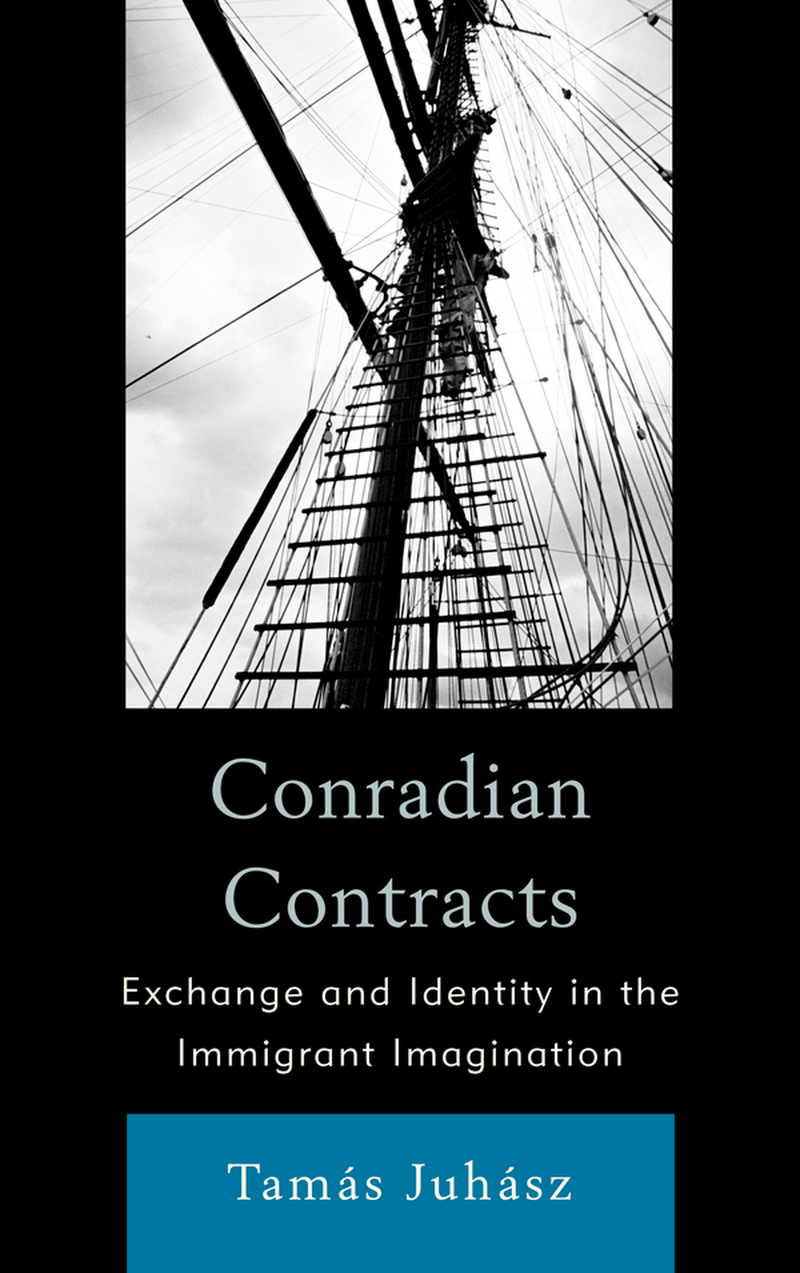
Conradian Contracts
Exchange and Identity in the Immigrant Imagination
by Tamas Juhasz
238 pages· 2011· ISBN 9780739145555
About
This book treats Joseph Conrad's simultaneous interests in exchange, contracts, and the condition of displacement. The central hypothesis is that the novelist's characters face the option of signing or rejecting what might, with some generalization, be called a social covenant. These individuals conduct a lonely or marginal existence and, to ease their isolation, they would like to (re)enter a community. For this reason, they are ready to contribute to larger collective causes and comply with those restrictions that social life, in its contractual aspect, requires. As Julia Kristeva puts it, 'The foreigner is the one who works,' yet engagement in transactions in order to earn a social position is fraught with difficulties. In return for their contribution, these hard-working characters do not always receive the compensation that they had in mind, especially when their definition of companionship violates the boundaries of legality and social propriety. Their private, illicit interests are bound to clash with communal ones, and the ensuing negotiating, readjustment, or compromise-seeking either crush the individual party or result in a redefinition of the notion of contract. This link between exchange and displacement is explored in nine narratives. Just as the concept of exile is used in a broad, often metaphorical sense (ranging from characters who are actual migrants through individuals who occupy a marginal position within their native community to individuals who are caught between conflicting cultural-economic models), the trade or contractual alliance that can create, or at least promise, a sense of communal belonging and personal recognition is also manifold in its definition. Although it always includes, if to varying degrees, the transference of economic goods or entering a specific agreement, exchange is never limited to legal-material procedures. Instead, varius emotional investments, sexual transactions, and narcissistic reciprocities supplement the representation of actual commerce, inviting critical ideas from economic anthropology, post-structuralism and Lacanian psychoanalysis.
Discuss Conradian Contracts with other readers
Join or start a book club for Conradian Contracts on Readfeed. Live chat, shared reading progress, and AI discussion questions — free to get started.
Frequently asked questions
How do I join a book club for Conradian Contracts?
Sign up free on Readfeed, then browse public clubs or start your own club with Conradian Contracts as the current read. Invite friends with a share link and discuss together with live chat and AI discussion questions.
Can I discuss Conradian Contracts with other readers online?
Yes. Readfeed book clubs let you chat live, share progress, and join discussions about Conradian Contracts with readers worldwide — whether your club is virtual, in-person, or hybrid.
Is Readfeed free?
Yes. Creating an account and joining book clubs is free. Sign up to find readers who love the same books and start discussing today.