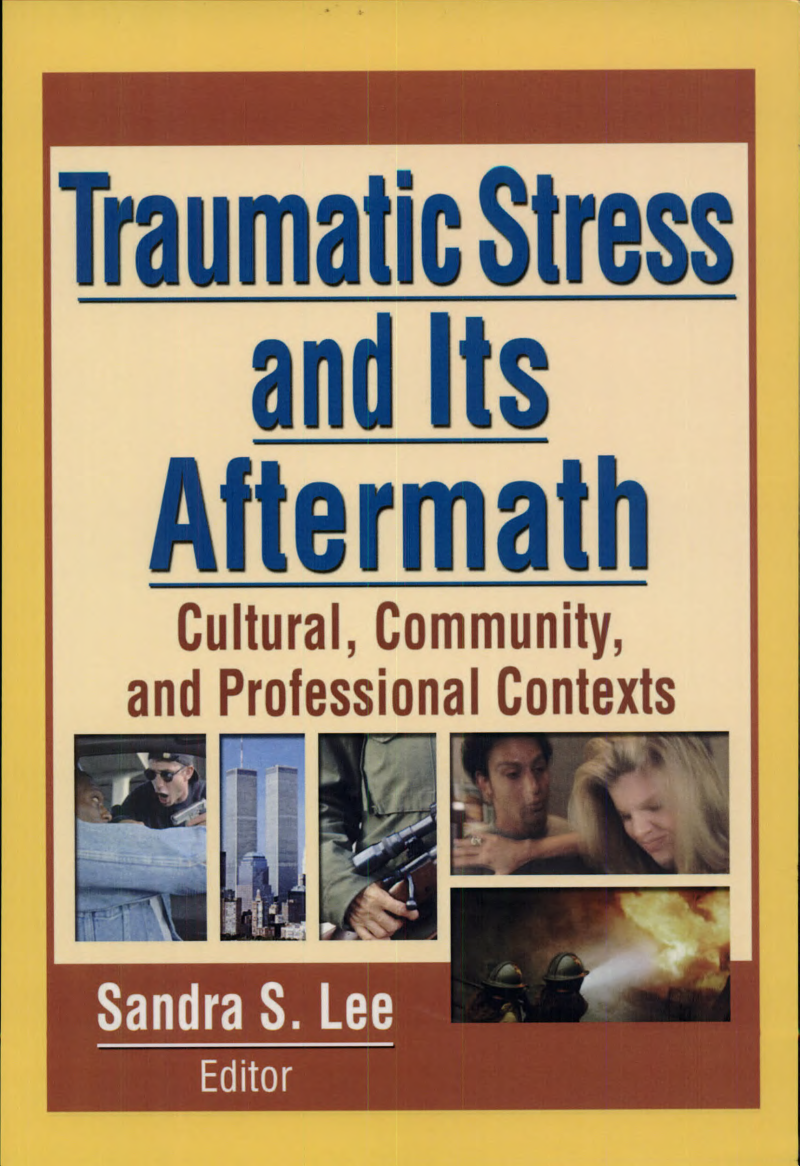
Traumatic Stress and Its Aftermath

Traumatic Stress and Its Aftermath

Cultural, Community, and Professional Contexts

by Sandra S. Lee

99 pages· 2003· ISBN 9780789021823
About
Explore the aftermath of traumatic stress as it affects various populations, including therapists themselves! This book will educate you about the aftermath of traumatic stress as it impacts people in a variety of settings. It explores the factors that lead to increased or reduced vulnerability to the effects of traumatic stress, emphasizing the impact of cumulative/multiple trauma rather than the effects of a single traumatic incident, to help you design and implement effective prevention and intervention programs. The specific populations and groups addressed in this important book include: adolescent girls involved in armed conflict in Colombia's guerilla war urban African-American youth—a theoretical model for risk and resiliency people with strong spiritual/religious beliefs—how spirituality can affect a person's reaction to traumatic stress women in recovery in a community aftercare shelter female trauma therapists—factors affecting vicarious traumatization of helping professionals college students with histories of abuse Providing a framework for understanding traumatic stress-related issues based on a variety of methodologies and measures, Traumatic Stress and Its Aftermath addresses important questions, such as: What is the relationship between the experiences of trauma or other stressful life events, and subsequent traumatic stress? What are the protective factors that can buffer or ameliorate the development of traumatic stress in the face of adverse life experiences, trauma, or other stressful events? How do these questions evolve in different cultural or community contexts, and with different populations? What are the implications for interventions for community institutions and mental health workers? What roles do self-esteem and spirituality play in a person's reaction to traumatic stress? How do reactions to traumatic stress differ between women who have been sexually abused as children and women who have not? From editor Sandra S. Lee: “Contemporary developments in the study of traumatic stress are shifting. This book reflects an emphasis on the study of traumatic stress in normal community, cultural, or college student populations and groups, while other literature has focused on individuals specifically diagnosed with PTSD. In addition, Traumatic Stress and Its Aftermath: Cultural, Community, and Professional Contexts emphasizes the search for risk and protective factors and factors that can buffer the relationship between trauma exposure and subsequent distress.”

Discuss Traumatic Stress and Its Aftermath with other readers

Join or start a book club for Traumatic Stress and Its Aftermath on Readfeed. Live chat, shared reading progress, and AI discussion questions — free to get started.

Frequently asked questions

How do I join a book club for Traumatic Stress and Its Aftermath?

Sign up free on Readfeed, then browse public clubs or start your own club with Traumatic Stress and Its Aftermath as the current read. Invite friends with a share link and discuss together with live chat and AI discussion questions.

Can I discuss Traumatic Stress and Its Aftermath with other readers online?

Yes. Readfeed book clubs let you chat live, share progress, and join discussions about Traumatic Stress and Its Aftermath with readers worldwide — whether your club is virtual, in-person, or hybrid.

Is Readfeed free?

Yes. Creating an account and joining book clubs is free. Sign up to find readers who love the same books and start discussing today.