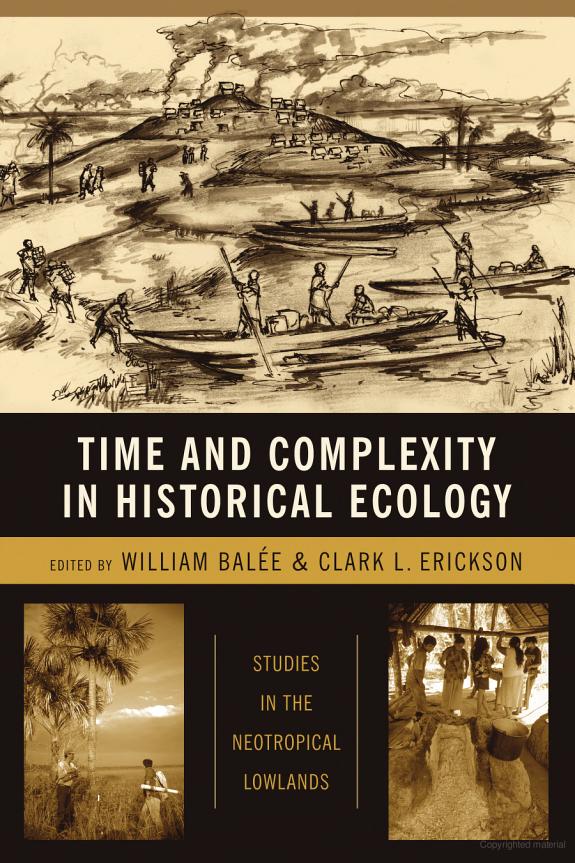
Time and Complexity in Historical Ecology

Time and Complexity in Historical Ecology

Studies in the Neotropical Lowlands

by William L. BalŽe, Clark L. Erickson

432 pages· 2006· ISBN 9780231509619
About
Like the cracking of the genetic code and the creation of the atomic bomb, the discovery of how the brain's neurons work is one of the fundamental scientific developments of the twentieth century. The discovery of neurotransmitters revolutionized the way we think about the brain and what it means to be human yet few people know how they were discovered, the scientists involved, or the fierce controversy about whether they even existed. The War of the Soups and the Sparks tells the saga of the dispute between the pharmacologists, who had uncovered the first evidence that nerves communicate by releasing chemicals, and the neurophysiologists, experts on the nervous system, who dismissed the evidence and remained committed to electrical explanations. The protagonists of this story are Otto Loewi and Henry Dale, who received Nobel Prizes for their work, and Walter Cannon, who would have shared the prize with them if he had not been persuaded to adopt a controversial theory (how that happened is an important part of this history). Valenstein sets his story of scientific discovery against the backdrop of two world wars and examines the fascinating lives of several scientists whose work was affected by the social and political events of their time. He recounts such stories as Loewi's arrest by Nazi storm troopers and Dale's efforts at helping key scientists escape Germany. The War of the Soups and the Sparks reveals how science and scientists work. Valenstein describes the observations and experiments that led to the discovery of neurotransmitters and sheds light on what determines whether a novel concept will gain acceptance among the scientific community. His work also explains the immense importance of Loewi, Dale, and Cannon's achievements in our understanding of the human brain and the way mental illnesses are conceptualized and treated.

Discuss Time and Complexity in Historical Ecology with other readers

Join or start a book club for Time and Complexity in Historical Ecology on Readfeed. Live chat, shared reading progress, and AI discussion questions — free to get started.

Frequently asked questions

How do I join a book club for Time and Complexity in Historical Ecology?

Sign up free on Readfeed, then browse public clubs or start your own club with Time and Complexity in Historical Ecology as the current read. Invite friends with a share link and discuss together with live chat and AI discussion questions.

Can I discuss Time and Complexity in Historical Ecology with other readers online?

Yes. Readfeed book clubs let you chat live, share progress, and join discussions about Time and Complexity in Historical Ecology with readers worldwide — whether your club is virtual, in-person, or hybrid.

Is Readfeed free?

Yes. Creating an account and joining book clubs is free. Sign up to find readers who love the same books and start discussing today.