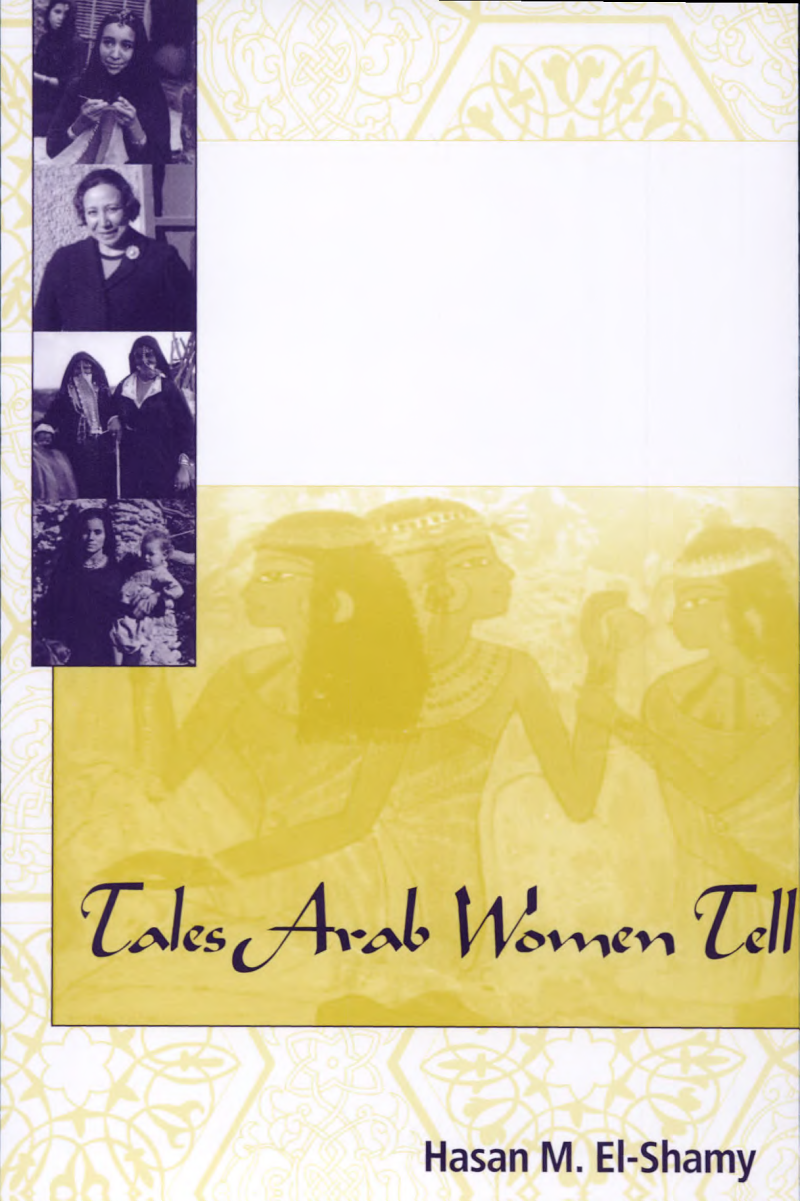
Tales Arab Women Tell and the Behavioral Patterns They Portray

Tales Arab Women Tell and the Behavioral Patterns They Portray

by Hasan M. El-Shamy

560 pages· 1999· ISBN 9780253335296
About
"Tales Arab Women Tellis a rare, intriguing, and highly readable collection of Arab tales performed by female narrators. It presents tales from the Arab world in a fluent and attractive way. The arrangement of tales . . . proves to be a source of inspiration, since it invites the readers to view and understand the tales, some of which they might know from a European context, in the social relevance they possess in their original surrounding." – Ulrich Marzolph Tales Arab Women Tellis a cross-cultural examination of kinship and affinal relations as expressed in traditional folktales and other genres of lore. This study is based on field data compiled by the author. The gender factor and its impact on the form, structure, and contents of each item are explored in conjunction with the concepts of multiple role-playing, role transition, and role-strain. The author dates the beginning of awareness of "women's culture" to the field observations and the writings of al-Jahiz [circumflex over the second "a," dot under the "h" and dot under the "z"] (d. 868, or 9 A. D.). The tales are arranged according to an analytical system focusing on the various family and social situations depicted in the texts. Four large groups of social interaction are portrayed, labelled "Parents and Paternal Figures," "Courtship and Marital Relations," "Siblings," and "Boy and Mother's Brother," respectively. Each tale is introduced by a short note providing information about the narrator (family situation, age, regional origin, education, etc.) and the specific or general situational background of narrative performance of the tale. Each introductory note is followed by a commentary on the social aspects of the family situation treated in the tale, giving special emphasis to the circumstances of their Arab Islamic social background. After these two introductory passages, the tales are presented in a clear, fluent, and very readable English style, with an obvious effort to reproduce as close as possible their original language in dialogic structure, verbal rendering, and wording. The presentation of the tales is followed by general notes explaining linguistic details, giving original Arab words and terms and commenting on various minor aspects of the content. An appendix supplies a detailed analysis of tale-types, motifs, and occurrences.

Discuss Tales Arab Women Tell and the Behavioral Patterns They Portray with other readers

Join or start a book club for Tales Arab Women Tell and the Behavioral Patterns They Portray on Readfeed. Live chat, shared reading progress, and AI discussion questions — free to get started.

Frequently asked questions

How do I join a book club for Tales Arab Women Tell and the Behavioral Patterns They Portray?

Sign up free on Readfeed, then browse public clubs or start your own club with Tales Arab Women Tell and the Behavioral Patterns They Portray as the current read. Invite friends with a share link and discuss together with live chat and AI discussion questions.

Can I discuss Tales Arab Women Tell and the Behavioral Patterns They Portray with other readers online?

Yes. Readfeed book clubs let you chat live, share progress, and join discussions about Tales Arab Women Tell and the Behavioral Patterns They Portray with readers worldwide — whether your club is virtual, in-person, or hybrid.

Is Readfeed free?

Yes. Creating an account and joining book clubs is free. Sign up to find readers who love the same books and start discussing today.