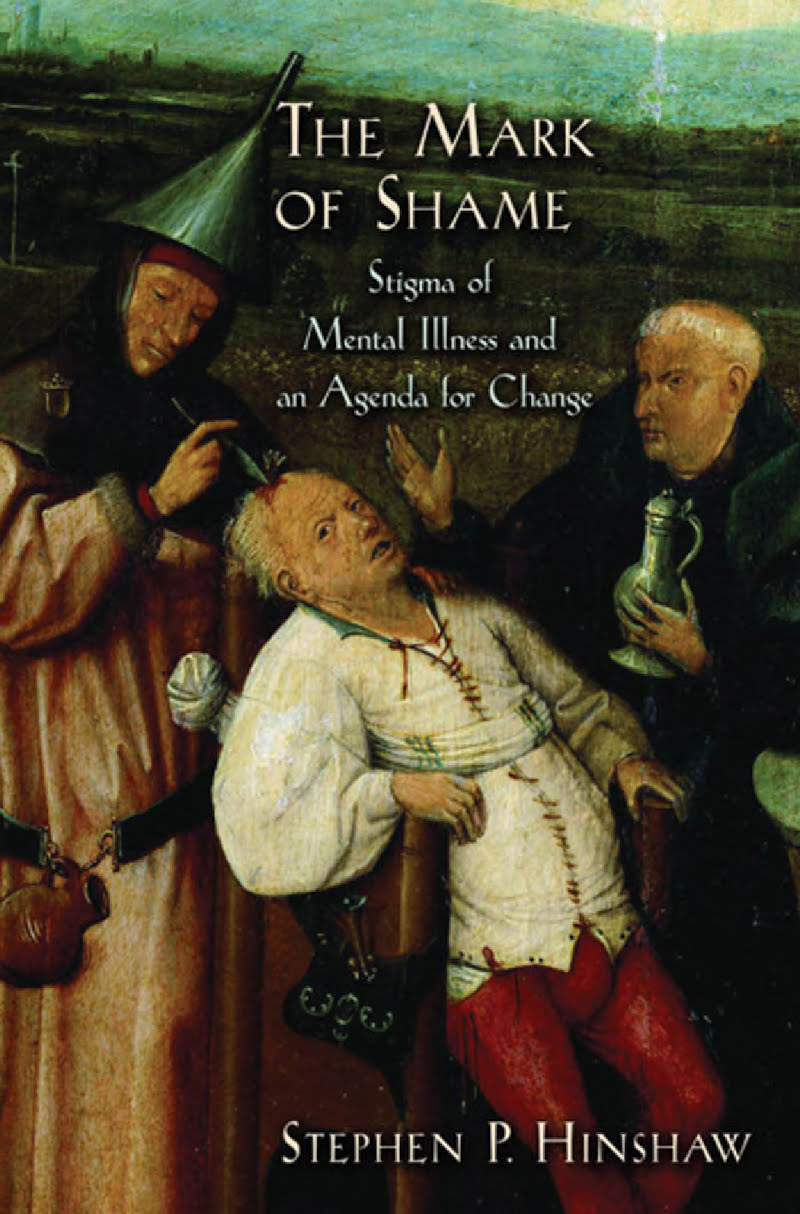
The Mark of Shame
Stigma of Mental Illness and an Agenda for Change
by Stephen P. Hinshaw
352 pages· 2006· ISBN 9780198042150
About
Millions of people and their families are affected by mental illness; it causes untold pain and severely impairs their ability to function in the world. In recent years, we have begun to understand and develop a range of effective treatments for mental illness. Even with this shift from moralistic views to those emphasizing the biological and genetic origins of mental illness, punitive treatment and outright rejection remain strong. Public attitudes toward mental illness are still more negative than they were half a century ago, and the majority of those afflicted either do not receive or cannot afford adequate care. As a result of all of these troubling facts, applying the term "stigma" to mental illness is particularly appropriate because stigma conveys the mark of shame borne by those in any highly devalued group. Mental illness tops the list of stigmatized conditions in current society, generating the kinds of stereotypes, fear, and rejection that are reminiscent of longstanding attitudes toward leprosy. Mental disorders threaten stability and order, and media coverage exacerbates this situation by equating mental illness with violence. As a result, stigma is rampant, spurring family silence, discriminatory laws, and social isolation. The pain of mental illness is searing enough, but adding the layer of stigma affects personal well being, economic productivity, and public health, fueling a vicious cycle of lowered expectations, deep shame, and hopelessness. In this groundbreaking book, Stephen Hinshaw examines the longstanding tendency to stigmatize those with mental illness. He also provides practical strategies for overcoming this serious problem, including enlightened social policies that encourage, rather than discourage, contact with those afflicted, media coverage emphasizing their underlying humanity, family education, and responsive treatment. The Mark of Shame is a deeply inspiring and passionate work that is realistic and filled with hope. It combines personal accounts with information from social and evolutionary psychology, sociology, and public policy to provide messages that are essential for anyone afflicted or familiar with mental illness.
Discuss The Mark of Shame with other readers
Join or start a book club for The Mark of Shame on Readfeed. Live chat, shared reading progress, and AI discussion questions — free to get started.
Frequently asked questions
How do I join a book club for The Mark of Shame?
Sign up free on Readfeed, then browse public clubs or start your own club with The Mark of Shame as the current read. Invite friends with a share link and discuss together with live chat and AI discussion questions.
Can I discuss The Mark of Shame with other readers online?
Yes. Readfeed book clubs let you chat live, share progress, and join discussions about The Mark of Shame with readers worldwide — whether your club is virtual, in-person, or hybrid.
Is Readfeed free?
Yes. Creating an account and joining book clubs is free. Sign up to find readers who love the same books and start discussing today.