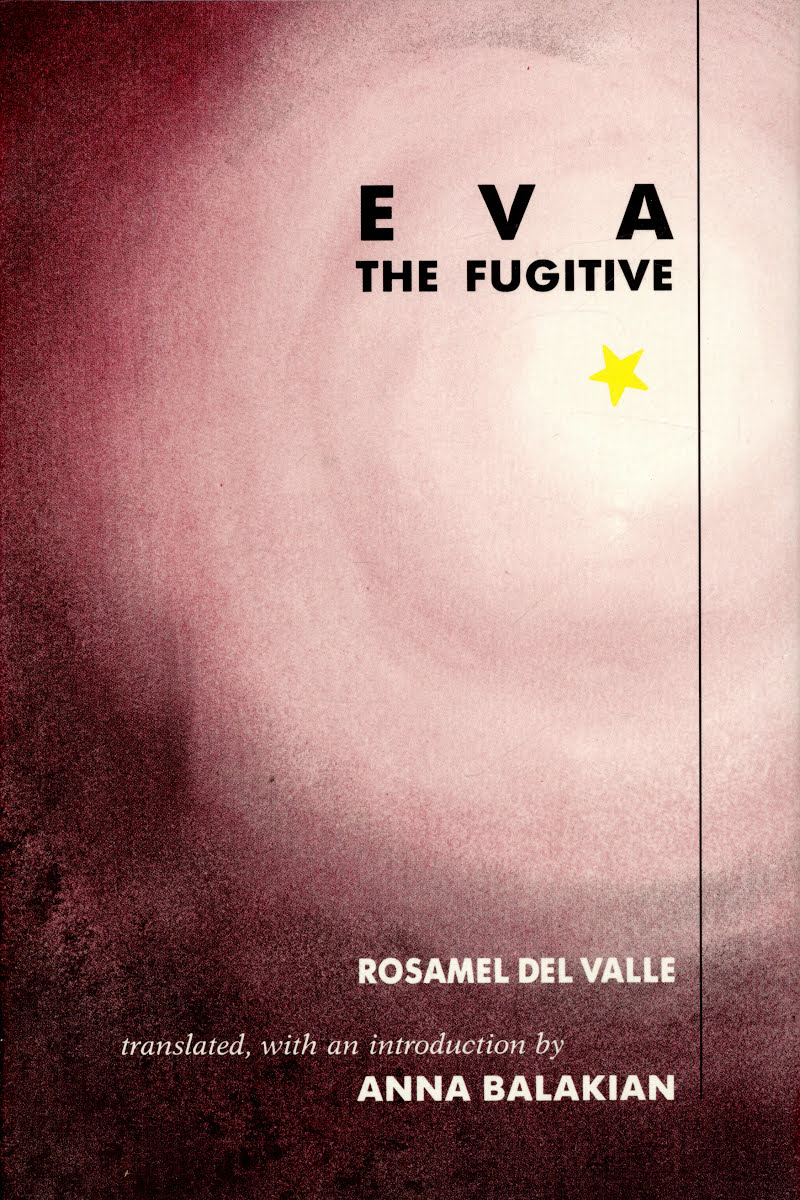
Eva, the Fugitive
by Rosamel del Valle
105 pages· 1990· ISBN 9780520068506
About
An early cameo of Latin American surrealism, Rosamel del Valle's erotic narrative of ecstasy and perdition creates the rhythm of the dream and the tempo of madness. Intermittently a waiflike young woman, Eva, intrudes into the daily routine of the writer. Her appearances are marked by a circle of red and the vision of a deep well with a star hanging over it. A tone poem of surrealist encounter, pursuit, and loss, Eva y la Fuga was written in 1930 and finally published posthumously in 1970, by Monte Avila Press in Venezuela. Anna Balakian offers here the first translation of the work into any other language. She brilliantly conveys in English the author's highly metaphoric language and the immediacy of surrealist experience, signaled in the narrative by frequent lapses into a haunting present tense. On their walks through the streets of Santiago, Eva and the narrator mingle in the fiesta atmosphere of the Chilean Amusement Park, with its gigantic Ferris Wheel. Bits of real-life dialogue float through the air. But the couple move on different wavelengths from the crowd and often from each other. Passing in and out of his life, Eva exercises a hypnotic fascination over the writer and makes an equally profound impression on the reader. This narrative is in the same genre as Gerard de Nerval's Aurlia, Andr Breton's Nadja, and Michel Leiris's Aurora, and should be counted among the most compelling works of twentieth-century surrealist literature. An early cameo of Latin American surrealism, Rosamel del Valle's erotic narrative of ecstasy and perdition creates the rhythm of the dream and the tempo of madness. Intermittently a waiflike young woman, Eva, intrudes into the daily routine of the writer. Her appearances are marked by a circle of red and the vision of a deep well with a star hanging over it. A tone poem of surrealist encounter, pursuit, and loss, Eva y la Fuga was written in 1930 and finally published posthumously in 1970, by Monte Avila Press in Venezuela. Anna Balakian offers here the first translation of the work into any other language. She brilliantly conveys in English the author's highly metaphoric language and the immediacy of surrealist experience, signaled in the narrative by frequent lapses into a haunting present tense. On their walks through the streets of Santiago, Eva and the narrator mingle in the fiesta atmosphere of the Chilean Amusement Park, with its gigantic Ferris Wheel. Bits of real-life dialogue float through the air. But the couple move on different wavelengths from the crowd and often from each other. Passing in and out of his life, Eva exercises a hypnotic fascination over the writer and makes an equally profound impression on the reader. This narrative is in the same genre as Gerard de Nerval's Aurlia, Andr Breton's Nadja, and Michel Leiris's Aurora, and should be counted among the most compelling works of twentieth-century surrealist literature.
Discuss Eva, the Fugitive with other readers
Join or start a book club for Eva, the Fugitive on Readfeed. Live chat, shared reading progress, and AI discussion questions — free to get started.
Frequently asked questions
How do I join a book club for Eva, the Fugitive?
Sign up free on Readfeed, then browse public clubs or start your own club with Eva, the Fugitive as the current read. Invite friends with a share link and discuss together with live chat and AI discussion questions.
Can I discuss Eva, the Fugitive with other readers online?
Yes. Readfeed book clubs let you chat live, share progress, and join discussions about Eva, the Fugitive with readers worldwide — whether your club is virtual, in-person, or hybrid.
Is Readfeed free?
Yes. Creating an account and joining book clubs is free. Sign up to find readers who love the same books and start discussing today.