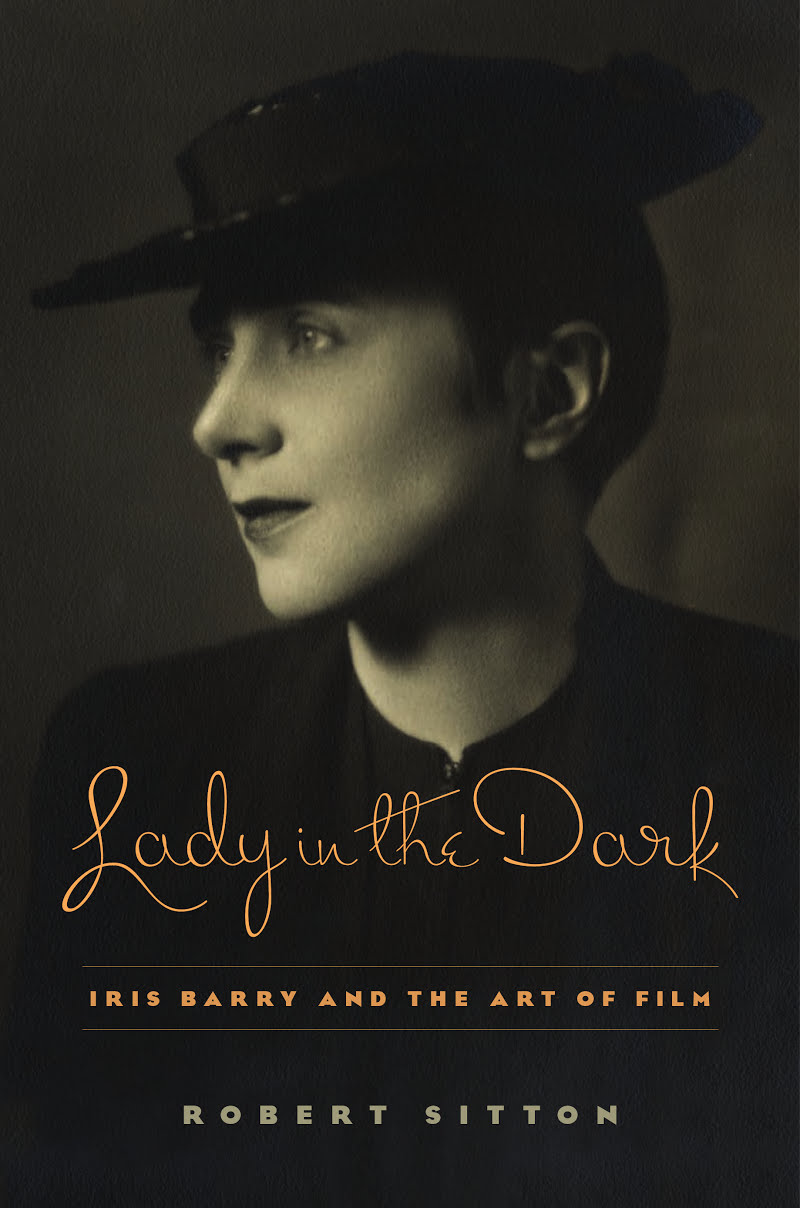
Lady in the Dark
Iris Barry and the Art of Film
by Robert Sitton
512 pages· 2014· ISBN 9780231165785
About
Iris Barry (1895Ð1969) was one of the first critics to recognize film as an art form. The mother of film preservation internationally, she founded the film department at New York City's Museum of Modern Art and became its first curator, cementing filmÕs critical legitimacy. Drawing on letters, memorabilia, and other documentary sources, Robert Sitton reconstructs Barry's remarkable life and work, sharing the story of a thoroughly modern muse and mentor to some of the most influential artists of her day. Although she had the bearing of a British aristocrat, Barry was the self-educated daughter of a brass founder and a palm-reader from the Isle of Man. An aspiring poet, her early work attracted the attention of Ezra Pound, whose letters to Barry comprise the essence of his thoughts on writing. Moving to London at Pound's suggestion in 1917, Barry joined a demimonde of Bloomsbury figures, including Ford Maddox Ford, T. S. Eliot, Arthur Waley, Edith Sitwell, and William Butler Yeats, and fell in love with PoundÕs eccentric fellow Vorticist, Wyndham Lewis. During these tumultuous years, Barry launched a career as a novelist, biographer, and critic of motion pictures, which were dismissed as lower-class amusements. She wrote articles for the Spectator positioning film as a new art form and in 1925 cofounded the London Film Society. Emigrating to America in 1930, Barry joined the modernist Askew Salon, where she met Alfred Barr Jr., the director of the new Museum of Modern Art. Barr helped Barry establish a film library and convince powerful Hollywood interests to submit their work for exhibition, creating a significant new respect for film and prompting the founding of the International Federation of Film Archives, for which Barry served as Life President. Barry continued to augment MoMAÕs film library until World War II, when she joined the Office of Strategic Services to develop pro-American films with Orson Welles, Walt Disney, John Houston, Samuel Goldwyn, and Frank Capra. Yet despite these patriotic efforts, BarryÕs ÒforeignnessÓ and association with such filmmakers as Luis Buuel made her the target of an anticommunist witch hunt. She eventually left for France, working for MoMA only as consultant. Barry died in obscurity, her contribution to film and cultural history largely forgotten. Sitton reclaims her phenomenal achievements while recasting the political involvement of artistic institutions in the early twentieth century.
Discuss Lady in the Dark with other readers
Join or start a book club for Lady in the Dark on Readfeed. Live chat, shared reading progress, and AI discussion questions — free to get started.
Frequently asked questions
How do I join a book club for Lady in the Dark?
Sign up free on Readfeed, then browse public clubs or start your own club with Lady in the Dark as the current read. Invite friends with a share link and discuss together with live chat and AI discussion questions.
Can I discuss Lady in the Dark with other readers online?
Yes. Readfeed book clubs let you chat live, share progress, and join discussions about Lady in the Dark with readers worldwide — whether your club is virtual, in-person, or hybrid.
Is Readfeed free?
Yes. Creating an account and joining book clubs is free. Sign up to find readers who love the same books and start discussing today.