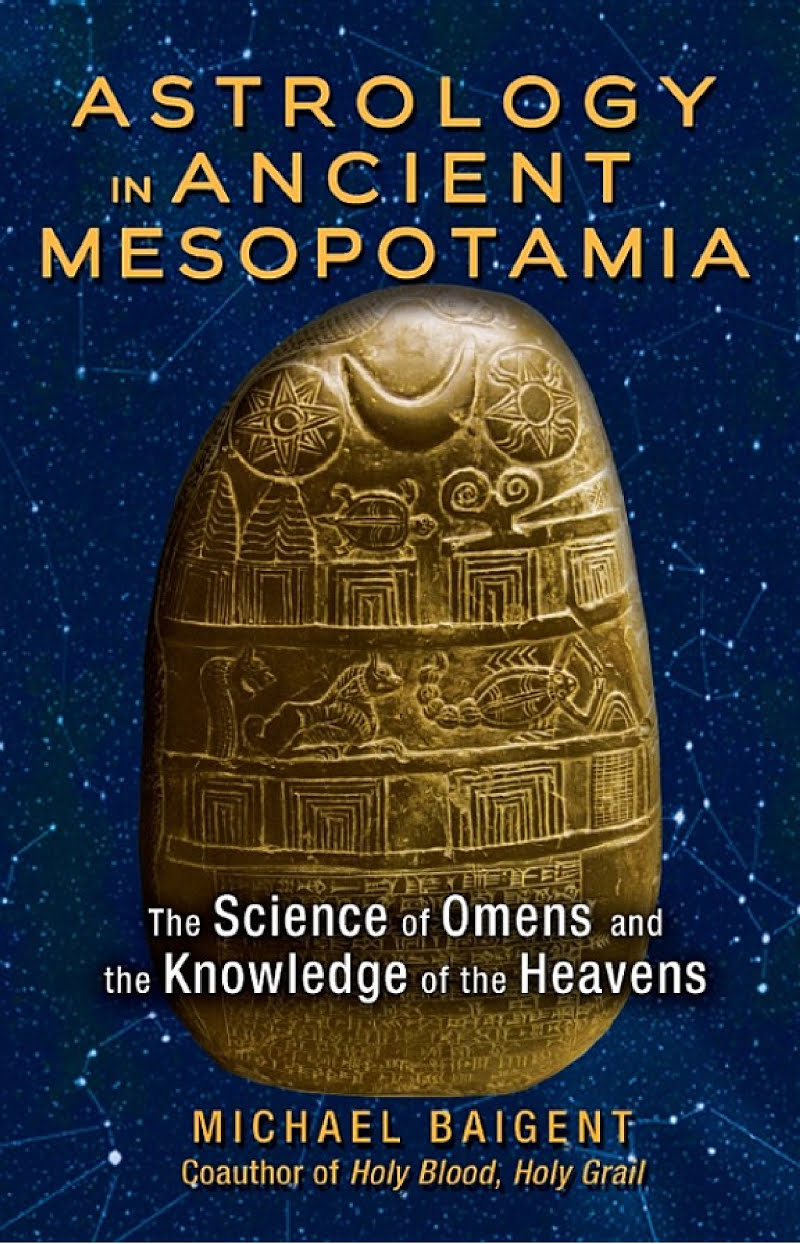
Astrology in Ancient Mesopotamia

Astrology in Ancient Mesopotamia

The Science of Omens and the Knowledge of the Heavens

by Michael Baigent

256 pages· 2015· ISBN 9781591432227
About
A detailed study of the earliest forms of astrology in Mesopotamia and their far-reaching hermetic influences from the Renaissance to the present day • Reveals the roots of modern astrology in the Babylonian science of omens, which was concerned not with individuals but with the state and king • Explores Mesopotamian mythology as it relates to the planets and to astrology • Traces the hermetic transmission of this knowledge over the centuries from Mesopotamia to Egypt to Renaissance Italy Among the many significant discoveries excavated from Assyrian king Ashurbanipal’s royal library in Nineveh were tablets documenting the development of Mesopotamian astrology, now recognized as the earliest astrological science. Drawing upon translations of the Nineveh library tablets as well as many other ancient sources, Michael Baigent reveals the roots of modern astrology in the Babylonian science of omens. He explains how astrology in the Babylonian and Assyrian empires was concerned not with individuals but with the king and the state. He shows that by the first dynasty of Babylon, around 1900 to 1600 BC, astrology had become a systematic discipline, the preserve of highly trained specialists intent upon interpreting omens from the movements of planets and stars. He explores Mesopotamian mythology as it relates to the planets and to astrology as well as to Mesopotamian religion, magic, and politics--for the mythology of Babylon and Assyria served the state and thus changed as the state changed. He shows how this ancient form of astrology uniquely represents both Sun and Moon as masculine entities and Saturn (Ninurta) as the principle of order imposed on chaos. He examines the connections between ancient astrology and the symbolism of Western religions, such as how the “Greek” or “Templar” cross may symbolize the Babylonian god Nabu, now known as Mercury. Tracing the hermetic transmission of this knowledge over the centuries from Mesopotamia to Egypt to Florence, Baigent reveals how the religious and magical aspects of early Babylonian cosmological speculation played a significant role in the Renaissance, influencing prominent figures such as Cosimo de Medici, Marsilio Ficino, and Botticelli.

Discuss Astrology in Ancient Mesopotamia with other readers

Join or start a book club for Astrology in Ancient Mesopotamia on Readfeed. Live chat, shared reading progress, and AI discussion questions — free to get started.

Frequently asked questions

How do I join a book club for Astrology in Ancient Mesopotamia?

Sign up free on Readfeed, then browse public clubs or start your own club with Astrology in Ancient Mesopotamia as the current read. Invite friends with a share link and discuss together with live chat and AI discussion questions.

Can I discuss Astrology in Ancient Mesopotamia with other readers online?

Yes. Readfeed book clubs let you chat live, share progress, and join discussions about Astrology in Ancient Mesopotamia with readers worldwide — whether your club is virtual, in-person, or hybrid.

Is Readfeed free?

Yes. Creating an account and joining book clubs is free. Sign up to find readers who love the same books and start discussing today.