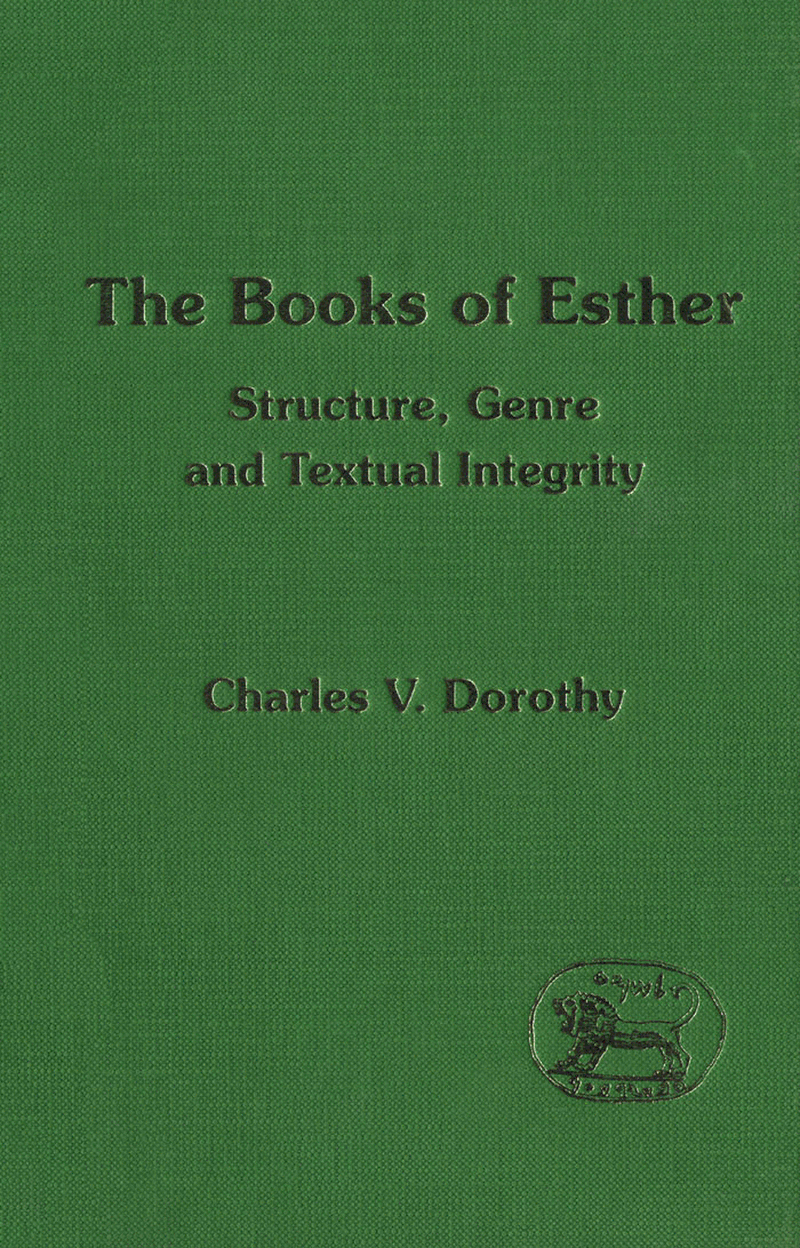
The Books of Esther
Structure, Genre, and Textual Integrity
by Charles V. Dorothy
384 pages· 1997· ISBN 9781850755180
About
The Books of Esther applies form-critical tools to the Septuagint and non-Septuagint ('Lucianic') Greek texts of Esther. Differences in vocabulary, content and style show that the Greek books of Esther are independent traditions stemming from, and aimed at, two distinct religious communities. The 'Lucianic' version appears more personal, orthodox, nationalistic and Jewish; its audience is Palestinian and it intends to foster communal identity. The Septuagint version breathes a more matter-of-fact, reportorial, Hellenistic style, with an eye to tolerance of heretics and audience entertainment. The Masoretic version became canonized because it is the most multivalent of the Esthers, appealing to both religious and secular elements of Judaism.
Discuss The Books of Esther with other readers
Join or start a book club for The Books of Esther on Readfeed. Live chat, shared reading progress, and AI discussion questions — free to get started.
Frequently asked questions
How do I join a book club for The Books of Esther?
Sign up free on Readfeed, then browse public clubs or start your own club with The Books of Esther as the current read. Invite friends with a share link and discuss together with live chat and AI discussion questions.
Can I discuss The Books of Esther with other readers online?
Yes. Readfeed book clubs let you chat live, share progress, and join discussions about The Books of Esther with readers worldwide — whether your club is virtual, in-person, or hybrid.
Is Readfeed free?
Yes. Creating an account and joining book clubs is free. Sign up to find readers who love the same books and start discussing today.