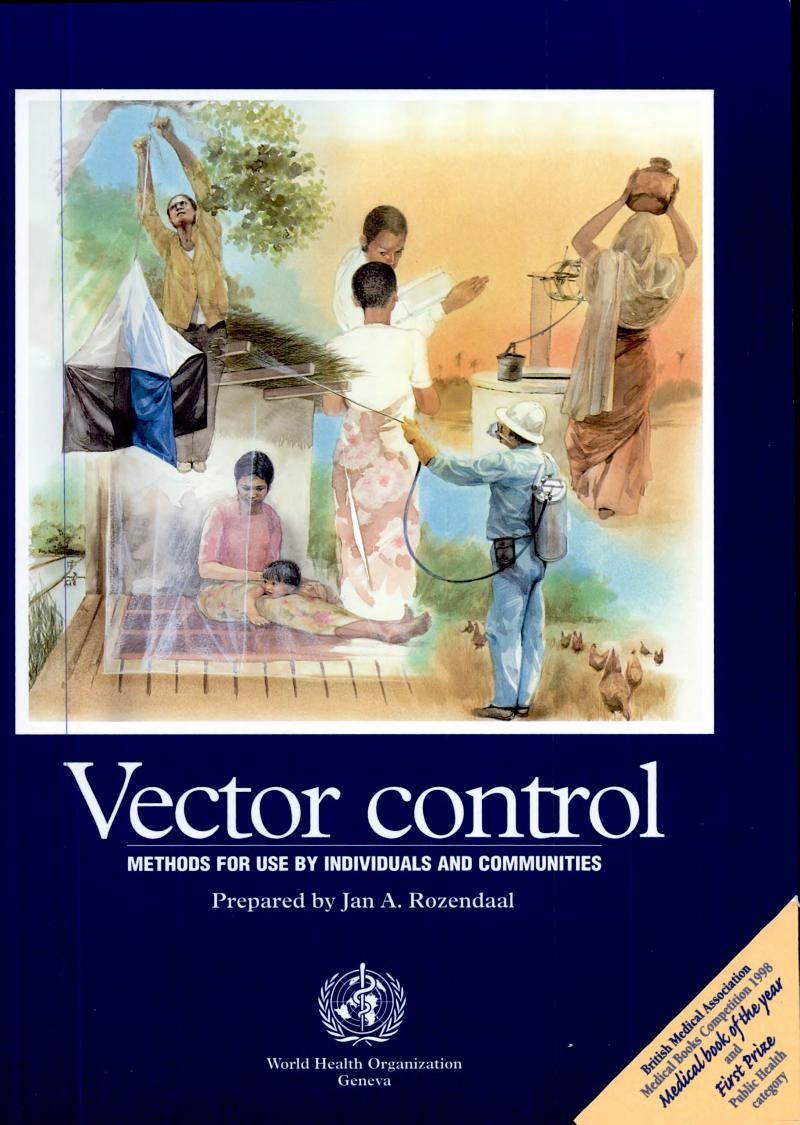
Vector Control
Methods for Use by Individuals and Communities
by Jan A. Rozendaal
412 pages· 1997· ISBN 9789241544948
About
The first comprehensive, illustrated guide to vector control methods suitable for use by individuals and communities. Published at a time when large-scale control programs organized by governments are declining, the manual aims to help non-professionals understand the role of vectors in specific diseases and then select and use control methods that are appropriate, effective, affordable, and safe. Hundreds of simple, inexpensive and often ingenious techniques, developed and used in a host of different settings, are presented and described in this abundantly illustrated guide. The manual is intended to assist health workers at district and community level, in aid organizations, in refugee camps, or in resource development projects who do not have direct access to experts in entomology, yet need methods for controlling the vectors of such important diseases as malaria filariasis leishmaniasis schistosomiasis dengue and trypanosomiasis. With this audience in mind, the book combines non-specialist factual information about vectors and the diseases they cause with practical advice on control measures, whether involving the use of insecticides, environmental modifications, or the construction of simple devices from local materials. Details range from a table showing where and when the different groups of biting Diptera are active to a recipe for preparing plaster to protect homes against triatomine bugs, from step-by-step instructions for the construction of cheap insect traps, to advice on how to impregnate bed nets and curtains with suitable insecticides. The book opens with a brief description of recent changes in the approach to vector control, followed by a discussion of factors that can influence the success of control measures undertaken by individuals and communities. The core of the manual consists of eight chapters focused on each of the major vectors and groups of vectors: mosquitos and other biting Diptera; tsetse flies; triatomine bugs; bedbugs, fleas, lice, ticks, and mites; cockroaches; houseflies; cyclops; and freshwater snails. Each chapter includes pertinent facts about the vector's life cycle, behavior, and favorite habitats, the diseases it causes, and their clinical features, including opportunities for prevention, treatment, and control. Against this background, methods for control are presented in great detail. Since the use of control measures is often constrained by lack of resources as well as lack of knowledge, most methods described are simple and cheap, do not require much training or supervision, and are safe for both the user and the environment. The remaining chapters offer guidance on the principles and practice of house spraying with residual insecticides, and provide instructions for the safe use of pesticides and the emergency treatment of poisoning.
Discuss Vector Control with other readers
Join or start a book club for Vector Control on Readfeed. Live chat, shared reading progress, and AI discussion questions — free to get started.
Frequently asked questions
How do I join a book club for Vector Control?
Sign up free on Readfeed, then browse public clubs or start your own club with Vector Control as the current read. Invite friends with a share link and discuss together with live chat and AI discussion questions.
Can I discuss Vector Control with other readers online?
Yes. Readfeed book clubs let you chat live, share progress, and join discussions about Vector Control with readers worldwide — whether your club is virtual, in-person, or hybrid.
Is Readfeed free?
Yes. Creating an account and joining book clubs is free. Sign up to find readers who love the same books and start discussing today.