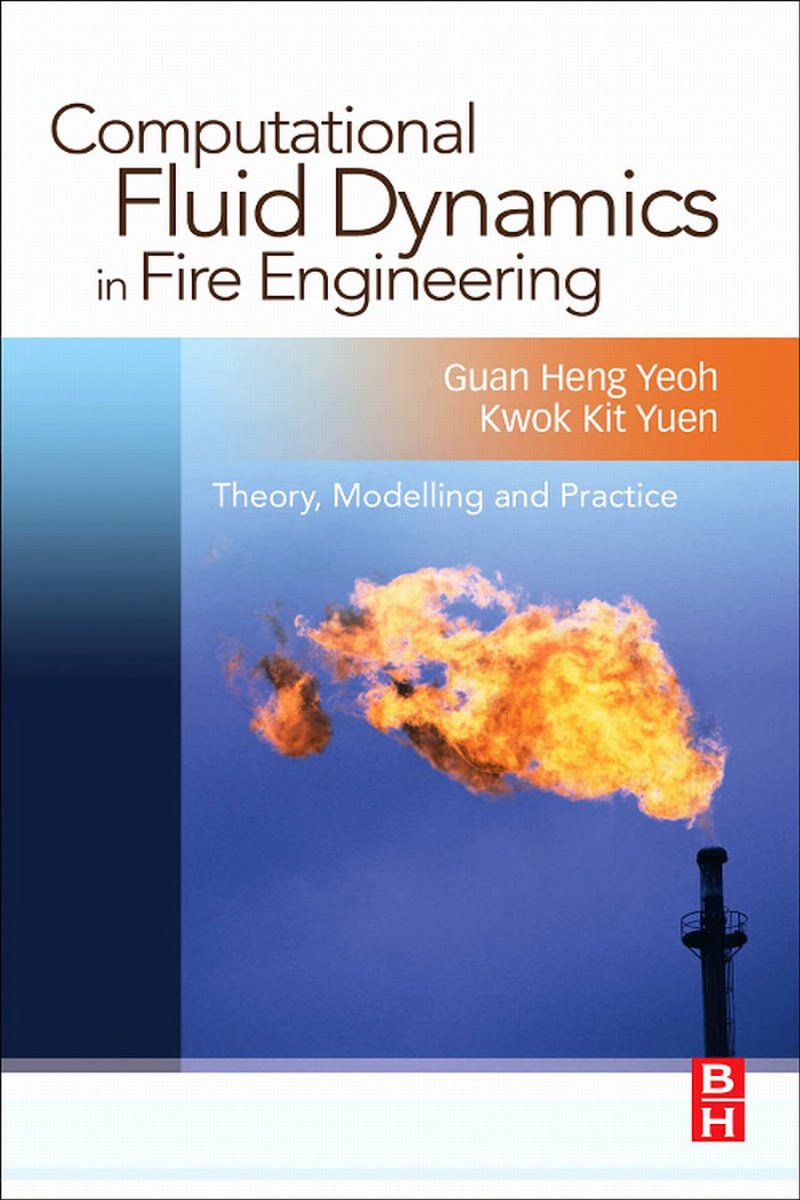
Computational Fluid Dynamics in Fire Engineering

Computational Fluid Dynamics in Fire Engineering

Theory, Modelling and Practice

by Guan Heng Yeoh, Kwok Kit Yuen

544 pages· 2009· ISBN 9780080570037
About
Fire and combustion presents a significant engineering challenge to mechanical, civil and dedicated fire engineers, as well as specialists in the process and chemical, safety, buildings and structural fields. We are reminded of the tragic outcomes of ‘untenable’ fire disasters such as at King’s Cross underground station or Switzerland’s St Gotthard tunnel. In these and many other cases, computational fluid dynamics (CFD) is at the forefront of active research into unravelling the probable causes of fires and helping to design structures and systems to ensure that they are less likely in the future. Computational fluid dynamics (CFD) is routinely used as an analysis tool in fire and combustion engineering as it possesses the ability to handle the complex geometries and characteristics of combustion and fire. This book shows engineering students and professionals how to understand and use this powerful tool in the study of combustion processes, and in the engineering of safer or more fire resistant (or conversely, more fire-efficient) structures. No other book is dedicated to computer-based fire dynamics tools and systems. It is supported by a rigorous pedagogy, including worked examples to illustrate the capabilities of different models, an introduction to the essential aspects of fire physics, examination and self-test exercises, fully worked solutions and a suite of accompanying software for use in industry standard modeling systems. · Computational Fluid Dynamics (CFD) is widely used in engineering analysis; this is the only book dedicated to CFD modeling analysis in fire and combustion engineering · Strong pedagogic features mean this book can be used as a text for graduate level mechanical, civil, structural and fire engineering courses, while its coverage of the latest techniques and industry standard software make it an important reference for researchers and professional engineers in the mechanical and structural sectors, and by fire engineers, safety consultants and regulators · Strong author team (CUHK is a recognized centre of excellence in fire eng) deliver an expert package for students and professionals, showing both theory and applications. Accompanied by CFD modeling code and ready to use simulations to run in industry-standard ANSYS-CFX and Fluent software.

Discuss Computational Fluid Dynamics in Fire Engineering with other readers

Join or start a book club for Computational Fluid Dynamics in Fire Engineering on Readfeed. Live chat, shared reading progress, and AI discussion questions — free to get started.

Frequently asked questions

How do I join a book club for Computational Fluid Dynamics in Fire Engineering?

Sign up free on Readfeed, then browse public clubs or start your own club with Computational Fluid Dynamics in Fire Engineering as the current read. Invite friends with a share link and discuss together with live chat and AI discussion questions.

Can I discuss Computational Fluid Dynamics in Fire Engineering with other readers online?

Yes. Readfeed book clubs let you chat live, share progress, and join discussions about Computational Fluid Dynamics in Fire Engineering with readers worldwide — whether your club is virtual, in-person, or hybrid.

Is Readfeed free?

Yes. Creating an account and joining book clubs is free. Sign up to find readers who love the same books and start discussing today.