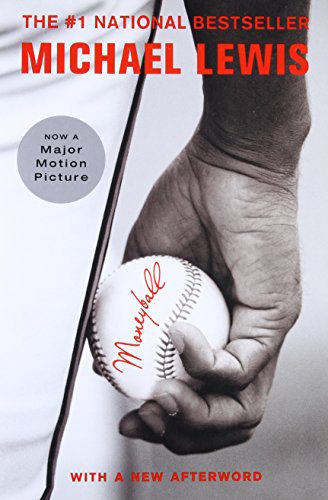
Moneyball: The Art of Winning an Unfair Game
by Michael Lewis
Lewis was in the room with the A's top management as they spent the summer of 2002 adding and subtracting players and he provides outstanding play-by-play. In the June player draft, Beane acquired nearly every prospect he coveted (few of whom were coveted by other teams) and at the July trading deadline he engaged in a tense battle of nerves to acquire a lefty reliever. Besides being one of the most insider accounts ever written about baseball, Moneyball is populated with fascinating characters. We meet Jeremy Brown, an overweight college catcher who most teams project to be a 15th round draft pick (Beane takes him in the first). Sidearm pitcher Chad Bradford is plucked from the White Sox triple-A club to be a key set-up man and catcher Scott Hatteberg is rebuilt as a first baseman. But the most interesting character is Beane himself. A speedy athletic can't-miss prospect who somehow missed, Beane reinvents himself as a front-office guru, relying on players completely unlike, say, Billy Beane. Lewis, one of the top nonfiction writers of his era (Liar's Poker, The New New Thing), offers highly accessible explanations of baseball stats and his roadmap of Beane's economic approach makes Moneyball an appealing reading experience for business people and sports fans alike. --John Moe
Discuss Moneyball: The Art of Winning an Unfair Game with other readers
Join or start a book club for Moneyball: The Art of Winning an Unfair Game on Readfeed. Live chat, shared reading progress, and AI discussion questions — free to get started.
Frequently asked questions
How do I join a book club for Moneyball: The Art of Winning an Unfair Game?
Sign up free on Readfeed, then browse public clubs or start your own club with Moneyball: The Art of Winning an Unfair Game as the current read. Invite friends with a share link and discuss together with live chat and AI discussion questions.
Can I discuss Moneyball: The Art of Winning an Unfair Game with other readers online?
Yes. Readfeed book clubs let you chat live, share progress, and join discussions about Moneyball: The Art of Winning an Unfair Game with readers worldwide — whether your club is virtual, in-person, or hybrid.
Is Readfeed free?
Yes. Creating an account and joining book clubs is free. Sign up to find readers who love the same books and start discussing today.