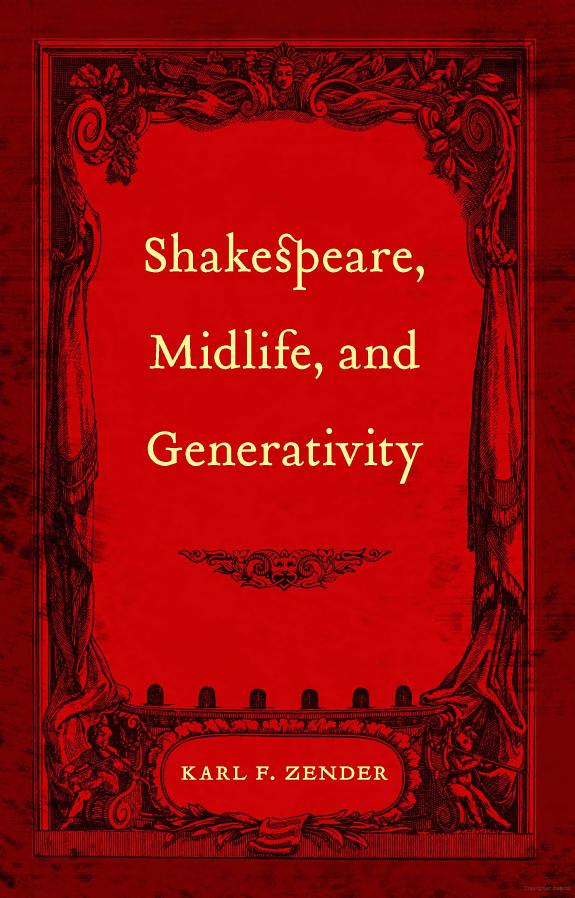
Shakespeare, Midlife, and Generativity

Shakespeare, Midlife, and Generativity

by Karl F. Zender

184 pages· 2008· ISBN 9780807133552
About
The life expectancy in Shakespearean times averaged only about twenty-five to thirty-five years, but those who survived the illnesses of infancy and childhood could look forward to a long life with nearly the same level of confidence as someone living now. But even so long ago, some faced conflicts in their middle and later years that remain familiar today. In Shakespeare, Midlife, and Generativity, Karl F. Zender explores William Shakespeare's depictions of middle age by examining the relationships between middle-aged parents -- mainly fathers -- and their children in five of his greatest plays. He finds that the middle-aged characters in King Lear, Macbeth, Antony and Cleopatra, The Winter's Tale, and The Tempest -- much like their modern counterparts -- experience a fear of aging and debility. Representations of middle age occur throughout the Shakespearean canon, in forms ranging from Jaques' "seven ages" speech in As You Like It to the emphasis -- almost an obsession -- in many plays on relations between the generations. Lear, Zender shows, tries to forestall the approach of old age with a fantasy of literal rebirth in his relationship with Cordelia. Macbeth depicts an even more urgent struggle against midlife decline, while in Antony and Cleopatra, Shakespeare portrays two characters in midlife crisis who attempt to redefine their identities by memorializing their former status and power, now lost. Drawing on Erik Erikson's theory of generativity -- a midlife shift from advancing one's own career to aiding a younger generation -- Zender explores the difficulties Shakespeare's characters face as they transfer power and authority to their children and others in the next generation. Paying careful attention to the plays' moral and ethical implications, he demonstrates how Shakespeare's innovative depiction of the midlife experience focuses on internal psychological understanding rather than external actions such as ceremony and ritual. Illuminating and engaging, Shakespeare, Midlife, and Generativity offers a fresh analysis of several of Shakespeare's most important plays and explores a profound, centuries-old perspective on the challenges inherent in middle age.

Discuss Shakespeare, Midlife, and Generativity with other readers

Join or start a book club for Shakespeare, Midlife, and Generativity on Readfeed. Live chat, shared reading progress, and AI discussion questions — free to get started.

Frequently asked questions

How do I join a book club for Shakespeare, Midlife, and Generativity?

Sign up free on Readfeed, then browse public clubs or start your own club with Shakespeare, Midlife, and Generativity as the current read. Invite friends with a share link and discuss together with live chat and AI discussion questions.

Can I discuss Shakespeare, Midlife, and Generativity with other readers online?

Yes. Readfeed book clubs let you chat live, share progress, and join discussions about Shakespeare, Midlife, and Generativity with readers worldwide — whether your club is virtual, in-person, or hybrid.

Is Readfeed free?

Yes. Creating an account and joining book clubs is free. Sign up to find readers who love the same books and start discussing today.